Blog
Duct sealing: when it pays back, and how to avoid bad quotes
Learn what duct sealing fixes, what it costs, and the questions that separate real work from spray-and-pray.
If some rooms feel fine and others feel like a different house, your ducts are a top suspect.
Leaky ducts waste money in two ways. They dump heated or cooled air into attics, crawlspaces, and garages; then they pull dusty, hot, or cold air back into your living space through return leaks.
This guide helps you decide whether duct sealing is worth paying for, and how to avoid quotes that sound detailed but do not fix the problem.
One-minute setup (do this first)
- Open the Upgrade Timing Planner.
- Set your climate and rates so the payback ranges match your area.
- Mark whether you have comfort issues (hot rooms, cold rooms, dust, weak airflow).
Now the duct sealing advice below connects to your timeline and budget, not a generic checklist.
On this page
- Quick answer: when duct sealing is worth it
- What duct sealing actually fixes
- Supply leaks waste paid-for air
- Return leaks pull in the worst air available
- Signs your ducts are leaking or delivering air poorly
- Signs you can spot in a walkthrough
- A quick DIY leak check (no equipment)
- Signs it may be a design problem, not a sealing problem
- How much energy duct sealing can save (ranges, not promises)
- What a good duct sealing job looks like
- Materials that work (and the one that usually doesn't)
- The process you should expect
- Testing that makes the work real
- What duct sealing costs, and what drives the price
- How to avoid duct sealing quotes that do not solve your problem
- Questions that should have clear answers
- Red flags to watch for
- Where duct sealing fits in your upgrade order
- How to use the Upgrade Timing Planner for duct decisions
- FAQ
- Is duct sealing the same as duct cleaning?
- Should I insulate my ducts too?
- Can I DIY duct sealing?
- What about aerosol duct sealing?
- If I plan to replace HVAC soon, should I wait?
- Next steps
Quick answer: when duct sealing is worth it
Duct sealing is usually a strong move when:
- Your ducts run through a vented attic, crawlspace, or garage.
- You have obvious airflow problems or rooms that never match the thermostat.
- You see dust streaks near supply registers or return grilles.
- Your HVAC is due for replacement in the next few years and you want better sizing and comfort.
Duct sealing is often a weaker move when:
- Most ducts are inside conditioned space (basement, interior chases, sealed attic).
- Your comfort issue is insulation and air leaks, not airflow.
- Your return path is undersized and needs redesign; sealing alone will not fix it.
Here is a simple way to think about it:
| Your situation | Duct sealing likely does | What to do next |
|---|---|---|
| Ducts in attic or crawlspace | Cuts wasted heating and cooling; improves comfort | Prioritize sealing; then consider duct insulation |
| Ducts inside conditioned space | Comfort gains can still happen; savings often smaller | Fix airflow issues first; seal obvious leaks while you are there |
| One room always hot or cold | Sometimes fixes it; sometimes reveals design issues | Inspect for disconnected runs, crushed flex, closed dampers, undersized returns |
| You plan a new heat pump | Helps you avoid oversizing and reduces backup heat use | Seal ducts before Manual J and equipment selection |
If your ductwork is accessible and outside the conditioned envelope, duct sealing is one of the few HVAC-adjacent upgrades that can improve comfort without replacing expensive equipment.
What duct sealing actually fixes
Most homeowners hear "duct sealing" and picture one leak. Real systems leak in a dozen places:
- Supply trunk joints in the attic
- Flex duct connections that were never clamped correctly
- Return plenums that pull attic air through gaps
- Filter slots that leak
- Panned returns (returns formed by framing cavities) that leak from wall cavities, garages, or basements
Two leak types matter:
Supply leaks waste paid-for air
If your furnace or heat pump is pushing warm or cool air into an attic, you pay to condition a space you never live in. That also means less air reaches the rooms you care about.
Return leaks pull in the worst air available
Return leaks can:
- Pull hot attic air in summer, which makes the system run longer.
- Pull cold crawlspace air in winter, which makes rooms feel drafty even when the thermostat says the house is warm.
- Pull dust, insulation fibers, and garage odors into your airflow.
Return leaks are also why some homes feel dusty no matter how often you clean.
Signs your ducts are leaking or delivering air poorly
You do not need special tools to notice the common signs.
Signs you can spot in a walkthrough
- One or two rooms are always off by 3 to 6 degrees from the thermostat.
- Airflow from some registers feels weak even with the fan on high.
- You see dust streaks on the ceiling or wall near registers.
- Your filter loads with dust faster than expected.
- You have a vented attic and the attic feels warm in winter when the heat runs.
A quick DIY leak check (no equipment)
Pick a day when heating or cooling is running steadily.
- Put your hand near accessible duct joints in the attic or basement.
- Feel for obvious air movement; a strong leak is often easy to detect.
- Look for disconnected or crushed flex ducts; they are more common than you would expect.
If you have a smartphone anemometer, you can measure rough airflow at registers, but you do not need it to justify a proper inspection.
Signs it may be a design problem, not a sealing problem
If you see these, sealing alone may not solve the root cause:
- Rooms with no return path (or a return that is tiny for the room size).
- Doors that slam shut when the air handler turns on (pressure imbalance).
- Large additions or finished basements that were tied into a system that was never designed for the new load.
In these cases, the right fix may include return upgrades, dampers, or a duct redesign. Sealing still matters, but it is not the whole story.
If you want a practical room-by-room troubleshooting path, start with Why some rooms are always cold or hot.
How much energy duct sealing can save (ranges, not promises)
There is no universal savings number because duct layouts vary wildly.
Two homes can have identical equipment and bills, and still see different results because one has ducts inside conditioned space and the other has a leaky supply trunk in a vented attic.
The reliable way to think about savings:
- If ducts leak into or pull from unconditioned space, savings can be meaningful.
- If ducts are already inside conditioned space, savings are often smaller and comfort is the main reason.
Many reputable references cite duct leakage and delivery losses as a major contributor to HVAC waste, and note that sealing and insulating ducts can improve system efficiency by up to around 20 percent in some homes. Treat that as a ceiling, not a guarantee.
I like to use this homeowner-friendly expectation range:
- Low impact: 0 to 5 percent reduction in heating and cooling use
- Medium impact: 5 to 15 percent
- High impact: 15 to 20 percent, usually when ducts are in a vented attic or crawlspace and leakage is obvious
If a contractor promises "30 percent savings" without testing or without seeing your duct layout, treat it as a sales pitch.
What a good duct sealing job looks like
If you only remember one thing from this article, remember this: a good duct sealing job has a scope you can see, and results you can test.
Materials that work (and the one that usually doesn't)
- Mastic (brush-on duct sealant) is the standard for sealing metal duct joints.
- UL-181 foil tape can work when surfaces are clean and the tape is applied correctly.
- Cloth "duct tape" dries out and fails; it is for temporary fixes, not duct sealing.
The process you should expect
A solid scope often includes:
- Sealing accessible supply trunk and branch connections.
- Sealing the return plenum and filter slot area.
- Sealing boots where ducts meet register boxes, especially if they connect to attics or wall cavities.
- Reconnecting and properly clamping flex duct runs; replacing crushed or torn flex.
- Insulating ducts in unconditioned space if they are bare or poorly insulated.
Testing that makes the work real
The most convincing add-on is a duct leakage test (sometimes called a duct blaster test) before and after. Not every job needs it, but if you are spending real money, it is a strong trust signal.
At minimum, you should expect:
- Photos of the sealed joints.
- A clear description of which sections were sealed and which were not accessible.
- A walkthrough showing problem areas found and fixed.
If the scope is "we will seal your ducts" with no details, push for specifics.
What duct sealing costs, and what drives the price
Costs vary by region and access, but the big drivers are consistent:
- Are ducts easy to reach?
- Are they in a cramped attic with blown insulation?
- Is there lots of flex duct that needs rework?
- Do returns need repair, not sealing alone?
- Are you bundling duct insulation?
Here are realistic ranges I see in homeowner quotes:
| Job type | Common scope | Rough cost range (USD) |
|---|---|---|
| Easy access sealing | Basement or open attic access; mostly metal trunk joints | $500 to $1,500 |
| Typical attic/crawl sealing | Mixed access; some flex rework; return sealing | $1,200 to $3,000 |
| Hard access or redesign | Tight attic; damaged ducts; return upgrades or new runs | $3,000 to $8,000+ |
These ranges are not a bid. They are a way to sanity check whether a quote matches the effort described.
If your quote is high, ask what makes it high. A detailed answer is a good sign.
How to avoid duct sealing quotes that do not solve your problem
Most bad outcomes come from one of two issues:
- The scope focuses on what is easy, not what matters.
- The contractor sells "sealing" when the problem is airflow design.
Use these questions to force clarity.
Questions that should have clear answers
- Where are my ducts? Attic, crawlspace, basement, interior chases. This changes the payoff.
- What exact joints will you seal? Trunks, branches, boots, returns, filter slot.
- What materials will you use? Mastic, UL-181 foil tape, clamps, insulation wrap.
- Will you fix disconnected or crushed flex ducts? If yes, how many runs are included?
- Will you test leakage or airflow? Duct blaster, static pressure, or at least before/after airflow checks.
- What will not be addressed? Hard-to-reach sections, buried ducts, enclosed chases.
Red flags to watch for
- Promises of large savings with no inspection.
- A quote that is only "spray foam everything" with no explanation of return leaks or boots.
- A focus on duct cleaning when your problem is comfort or bills.
- No mention of the return side of the system.
Duct cleaning is not duct sealing. Cleaning can help for specific issues, but it does not fix leakage or pressure problems.
Where duct sealing fits in your upgrade order
Duct sealing is one of the few upgrades that can make later upgrades cheaper.
If you are planning a heat pump or a new furnace in the next 1 to 3 years, sealing ducts first helps in three ways:
- The load calculation and sizing are closer to reality.
- You get more comfort from the same equipment.
- You reduce the chance you need electric backup heat to cover delivery losses.
If you are tackling insulation and air sealing too, a common sequence is:
- Seal the big air leaks in the house (top-of-house leaks first).
- Seal ducts that run through unconditioned space.
- Add insulation once leaks are handled.
For the bigger picture, How to plan home energy upgrades without wasting money lays out the full sequence and the reasons behind it.
How to use the Upgrade Timing Planner for duct decisions
The tool is not a magic answer. It is a way to stop guessing.
- Open the Upgrade Timing Planner.
- Enter your rates and climate.
- Mark comfort problems that match your house (hot rooms, cold rooms, dust).
- Compare duct sealing payback windows to air sealing and insulation.
- Use the output as a starting point for quotes, not a final verdict.
If the planner says duct sealing is a "now" move but your ducts are buried and inaccessible, that is still useful. It tells you the problem matters; your next step is to figure out whether you can access ducts, or whether the right move is a redesign during HVAC replacement.
FAQ
Is duct sealing the same as duct cleaning?
No. Cleaning removes dust and debris. Sealing closes leaks and fixes air delivery. A clean duct system can still leak badly.
Should I insulate my ducts too?
If ducts run through an unconditioned attic, crawlspace, or garage, insulation often matters. Sealing first is still the priority, because insulation over leaks still wastes conditioned air.
Can I DIY duct sealing?
Sometimes. If you have accessible ducts in a basement, you can often seal obvious joints with mastic and foil tape. In attics, safety and access become the limiting factors, and it is easier to miss the return leaks that matter.
What about aerosol duct sealing?
It can work in some cases, especially for hard-to-reach leakage in duct systems. The key questions are still the same: what is the measured leakage before and after, and what parts of the system are included.
If I plan to replace HVAC soon, should I wait?
If comfort is bad now and ducts are accessible, sealing now can help immediately and can improve the sizing and performance of the next system. If ducts need a redesign, it may be more efficient to address the design during replacement.
Next steps
- Open the Upgrade Timing Planner and see where duct sealing lands in your now/next/later plan.
- If your rooms are uneven, use Why some rooms are always cold or hot to narrow down whether it is ducts, insulation, or both.
- If you want one place to capture quotes and a sequence, build a draft in My Plan.
Try the companion tool
This post links to an interactive tool built for this topic. Open it to see numbers tailored to your home.
Open the toolGet practical energy tips
Join homeowners getting practical tips on cutting energy bills and staying comfortable.
Practical tips only. Unsubscribe anytime.
Read this next
Related guides selected by topic overlap and upgrade path.
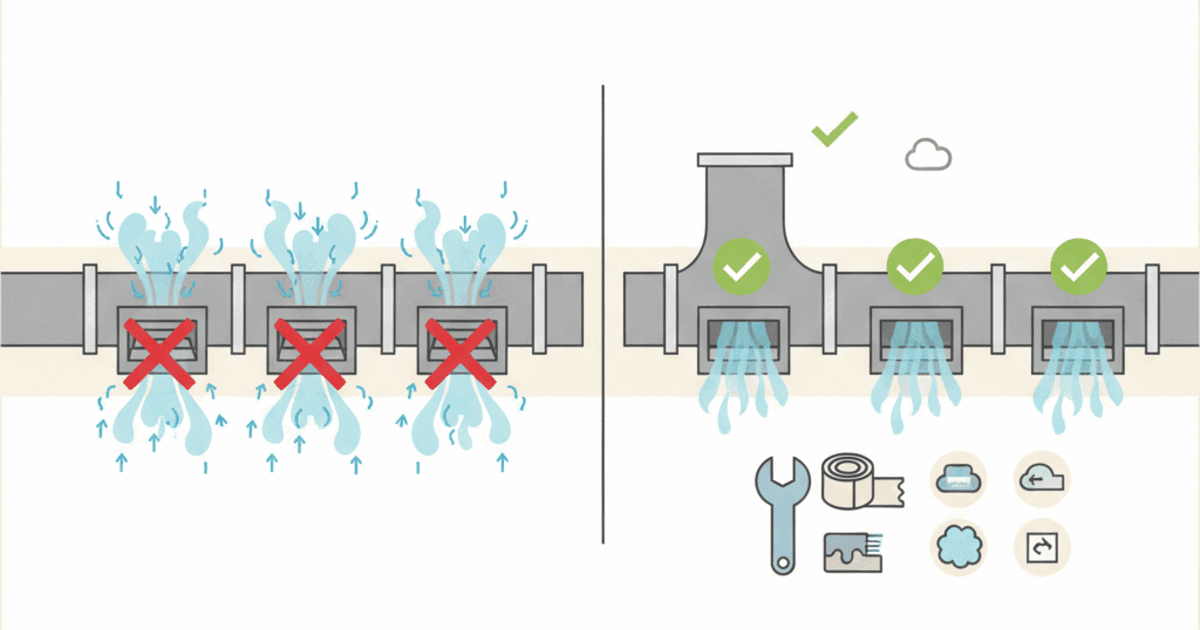
Closing supply vents feels like it should cut your bill, but it often increases duct leakage, reduces comfort, and can stress HVAC equipment. Here is what to do instead.
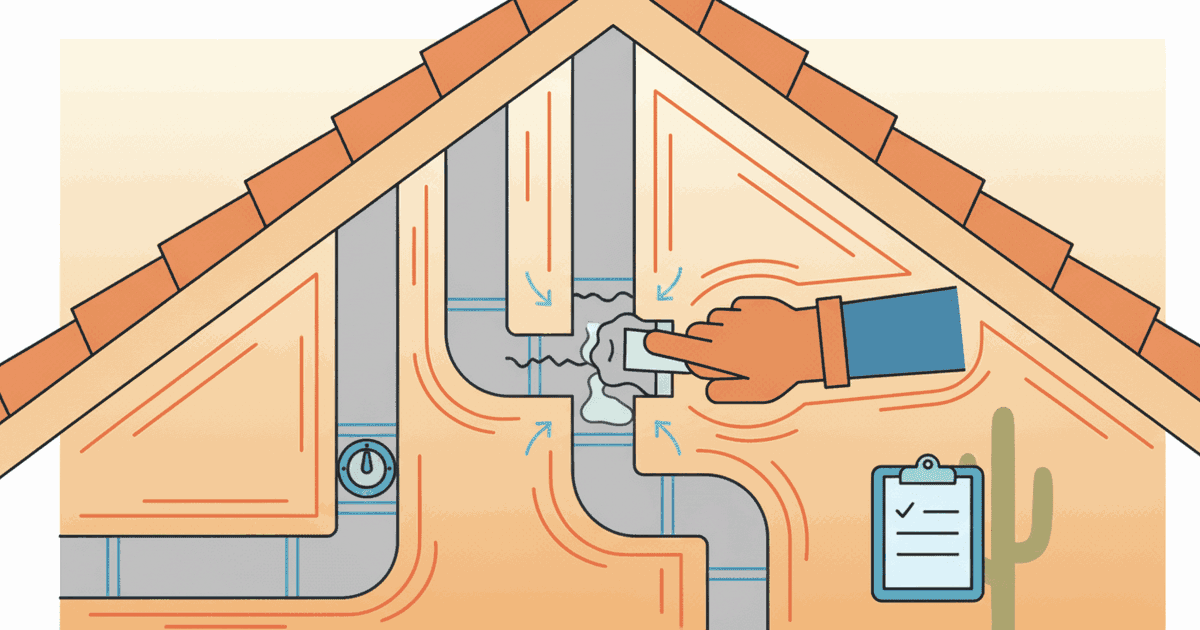
A buyer-intent guide for Phoenix homeowners with hot rooms and high summer bills. Learn what duct sealing and balancing includes, typical cost drivers, and how to compare quotes.
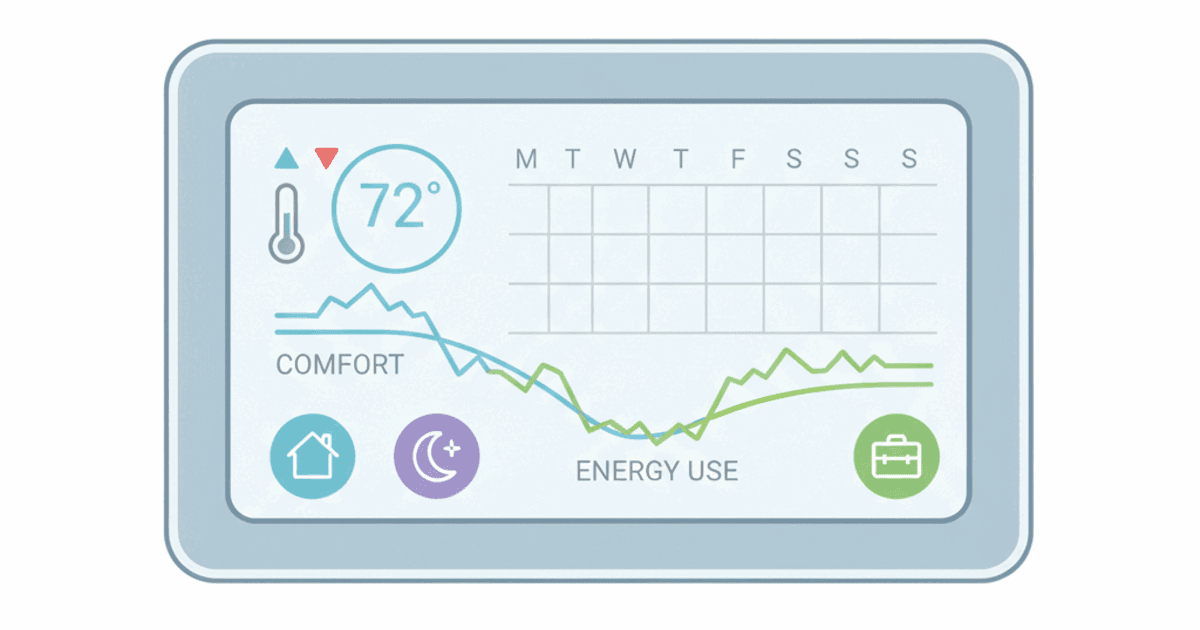
A practical way to set schedules, setbacks, and temperature ranges for real bill savings; includes heat pump-specific tips and simple checks to confirm results.
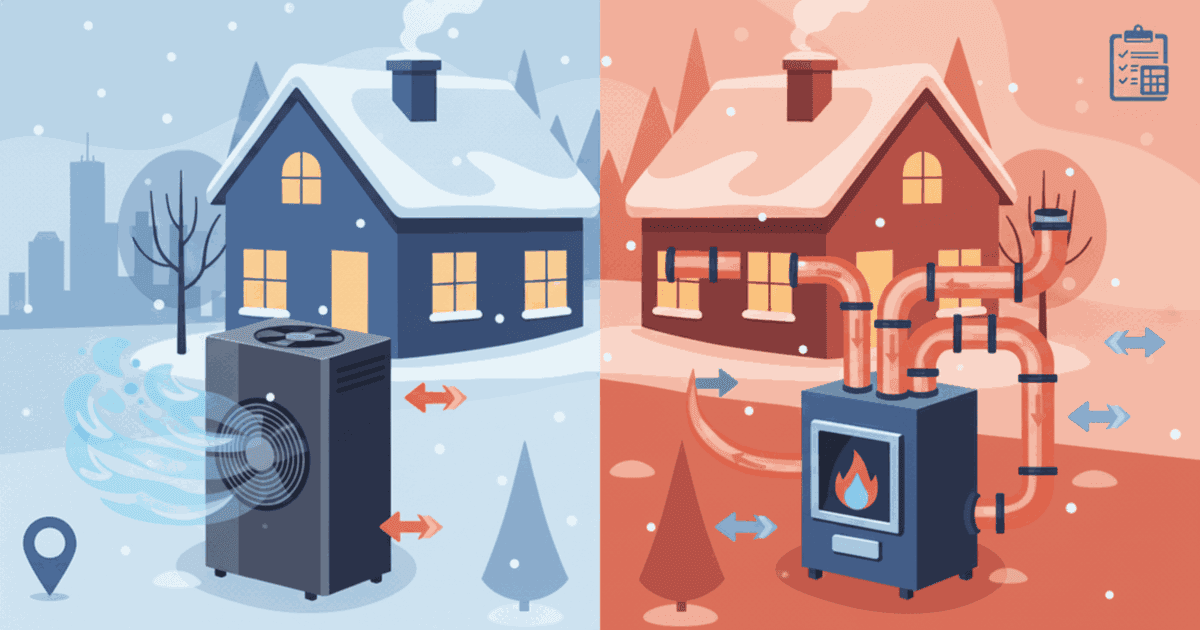
A Minneapolis-focused guide to choosing a heat pump, gas furnace, or dual-fuel setup using your own rates, plus a quote checklist.