Blog
Space heater cost per hour: the math that explains your winter bill
Calculate what a 1500W space heater costs per day at your electric rate, then see cheaper comfort fixes that reduce the need for it.
A space heater feels small. Your electric bill will not.
If your winter bill jumped and you have been running a portable heater in a bedroom, office, or basement, there is a good chance you found the culprit.
This guide shows you the math in two minutes, then gives you cheaper ways to get the same comfort.
One-minute setup (do this first)
- Find your electric rate (cents per kWh) on your bill.
- Open the Bill Breakdown Estimator and enter your average electric bill and rate.
- If "plug loads" looks large for your home, space heaters are a common reason.
On this page
- Quick answer: what a space heater costs to run
- 750W heater
- 1,500W heater
- Why space heaters hit your bill so hard
- 1) They are usually high wattage loads
- 2) They do not get "heat pump efficiency"
- The only time a space heater can save money
- Safety first: avoid the space heater mistakes that start fires
- Cheaper comfort fixes that reduce the need for a space heater
- Fix drafts and top-of-house leaks
- Fix uneven rooms before you replace HVAC
- Use targeted comfort upgrades that sip power
- If you need a permanent "one room" fix, consider a mini-split
- How to use the Bill Breakdown Estimator to spot plug-load surprises
- FAQ
- Are oil-filled radiator heaters cheaper to run?
- Are infrared heaters cheaper?
- How do I know my heater wattage?
- What is the fastest way to reduce space heater use?
- Next steps
Quick answer: what a space heater costs to run
Most portable heaters are either 750 watts (low) or 1,500 watts (high).
The math:
Cost per hour = (Watts / 1000) x ($/kWh)
Here are common outcomes.
750W heater
| Electric rate | Cost per hour | Cost for 8 hours | Cost for 30 days at 8 hours/day |
|---|---|---|---|
| $0.12/kWh | $0.09 | $0.72 | $22 |
| $0.20/kWh | $0.15 | $1.20 | $36 |
| $0.35/kWh | $0.26 | $2.10 | $63 |
1,500W heater
| Electric rate | Cost per hour | Cost for 8 hours | Cost for 30 days at 8 hours/day |
|---|---|---|---|
| $0.12/kWh | $0.18 | $1.44 | $43 |
| $0.20/kWh | $0.30 | $2.40 | $72 |
| $0.35/kWh | $0.53 | $4.20 | $126 |
Two heaters doubles it. A heater plus a dehumidifier plus a second fridge can turn a normal bill into a painful one fast.
Why space heaters hit your bill so hard
Portable electric heaters turn electricity directly into heat. That is efficient in a physics sense, but it is expensive in a utility-bill sense.
Two reasons:
1) They are usually high wattage loads
1,500 watts running for hours is not a rounding error. It is a major appliance.
2) They do not get "heat pump efficiency"
A heat pump moves heat. A space heater makes heat.
That difference matters because a heat pump can often deliver multiple units of heat for each unit of electricity it uses, depending on temperature and equipment.
If you are deciding between a heat pump and gas heat, Heat pump vs gas furnace in winter explains the winter math with rates and climate.
The only time a space heater can save money
A space heater can reduce total heating cost when:
- You keep the rest of the house cooler, and
- you heat only one small area, and
- you can actually stick to that pattern daily.
Example:
- You lower the thermostat by 3 to 5 degrees.
- You run one space heater in an office for work hours.
That can work, especially if your main heat is expensive.
But it fails when:
- the space heater becomes "whole-house backup" for multiple rooms,
- the thermostat stays the same, so you pay for both systems,
- you run multiple heaters for long hours.
If you want to use this approach, track it for one billing cycle and see whether your total bill drops.
Safety first: avoid the space heater mistakes that start fires
Space heaters are a leading cause of home heating fires.
Basic rules that reduce risk:
- Plug the heater directly into a wall outlet, not a power strip.
- Keep it away from curtains, bedding, rugs, and kids' toys.
- Do not leave it running while you sleep unless the unit is designed for that use and you trust the safety features.
- If the cord or plug gets warm, stop using it and investigate.
- Use a heater with tip-over protection and overheat shutoff.
If you have any doubt, treat it like a temporary tool, not a permanent solution.
Cheaper comfort fixes that reduce the need for a space heater
Most people use space heaters to patch a comfort problem. Fix the problem and the heater becomes optional.
Fix drafts and top-of-house leaks
If your bedroom feels cold because of drafts, sealing often beats more heat.
Start with Air sealing weekend checklist, especially attic access and obvious penetrations.
Fix uneven rooms before you replace HVAC
If one room is cold and the rest of the house is fine, the problem is often:
- supply airflow,
- return path,
- duct leakage,
- insulation gaps in that room.
Why some rooms are always cold or hot walks through the common causes.
Use targeted comfort upgrades that sip power
If you want warmth without adding a large continuous electric load:
- An electric blanket uses far less power than a space heater for overnight comfort.
- Better bedding and drafts control can make a 2 degree thermostat change feel easy.
If you need a permanent "one room" fix, consider a mini-split
For a room that is always uncomfortable, a ductless heat pump can heat and cool that space efficiently. It is not a cheap fix, but it can replace the endless heater habit.
Use the Upgrade Timing Planner to see how a comfort fix compares to duct sealing and insulation in a staged plan.
How to use the Bill Breakdown Estimator to spot plug-load surprises
If your bill feels off but you are not sure why, use the tool as a diagnostic:
- Open the Bill Breakdown Estimator.
- Enter your average electric bill and rate.
- Compare the "plug loads" slice to what you expect.
- If it looks high, list your likely culprits:
- space heaters,
- dehumidifiers,
- old second fridges or freezers,
- aquarium heaters,
- always-on servers or gaming rigs.
Then turn one off for a week and see what changes. That is the fastest way to replace guessing with evidence.
FAQ
Are oil-filled radiator heaters cheaper to run?
Not meaningfully. If both are electric resistance heat, the cost is driven by wattage and runtime. Oil-filled units can feel smoother because they cycle differently, but the math still comes from watts and hours.
Are infrared heaters cheaper?
Not in a billing sense if the wattage is the same. They can feel warmer on your skin in a small area, which can let you run them at lower settings. The savings comes from using less wattage and less time, not from a different kind of electricity.
How do I know my heater wattage?
Check the label on the unit. Many have a low and high setting; common values are 750W and 1,500W.
What is the fastest way to reduce space heater use?
Seal drafts, fix airflow to the problem room, and use low-wattage comfort options like an electric blanket at night. If you are heating a whole room for many hours daily, it is often worth planning a more permanent fix.
Next steps
- Run the Bill Breakdown Estimator and sanity check whether plug loads match your reality.
- If the heater is patching a comfort issue, start with Why some rooms are always cold or hot.
- If you want a staged plan that replaces temporary fixes with permanent ones, build a draft in My Plan.
Try the companion tool
This post links to an interactive tool built for this topic. Open it to see numbers tailored to your home.
Open the toolGet practical energy tips
Join homeowners getting practical tips on cutting energy bills and staying comfortable.
Practical tips only. Unsubscribe anytime.
Read this next
Related guides selected by topic overlap and upgrade path.
A practical way to set schedules, setbacks, and temperature ranges for real bill savings; includes heat pump-specific tips and simple checks to confirm results.

Calculate what a basement dehumidifier costs to run at your electric rate, then cut runtime with moisture fixes that often cost less.
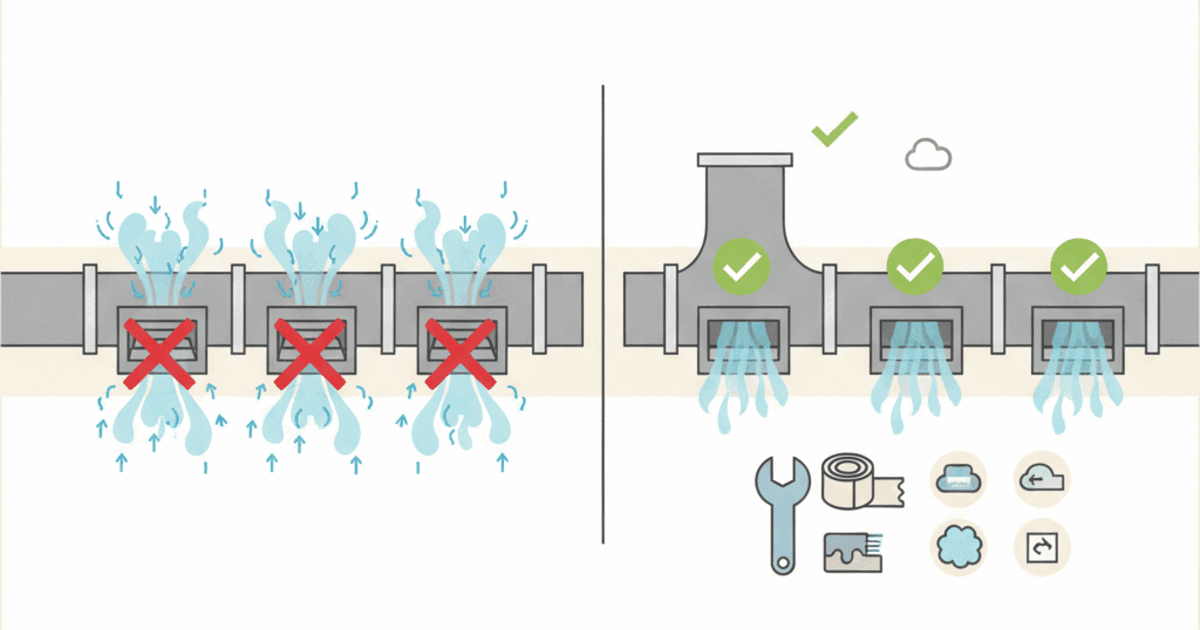
Closing supply vents feels like it should cut your bill, but it often increases duct leakage, reduces comfort, and can stress HVAC equipment. Here is what to do instead.
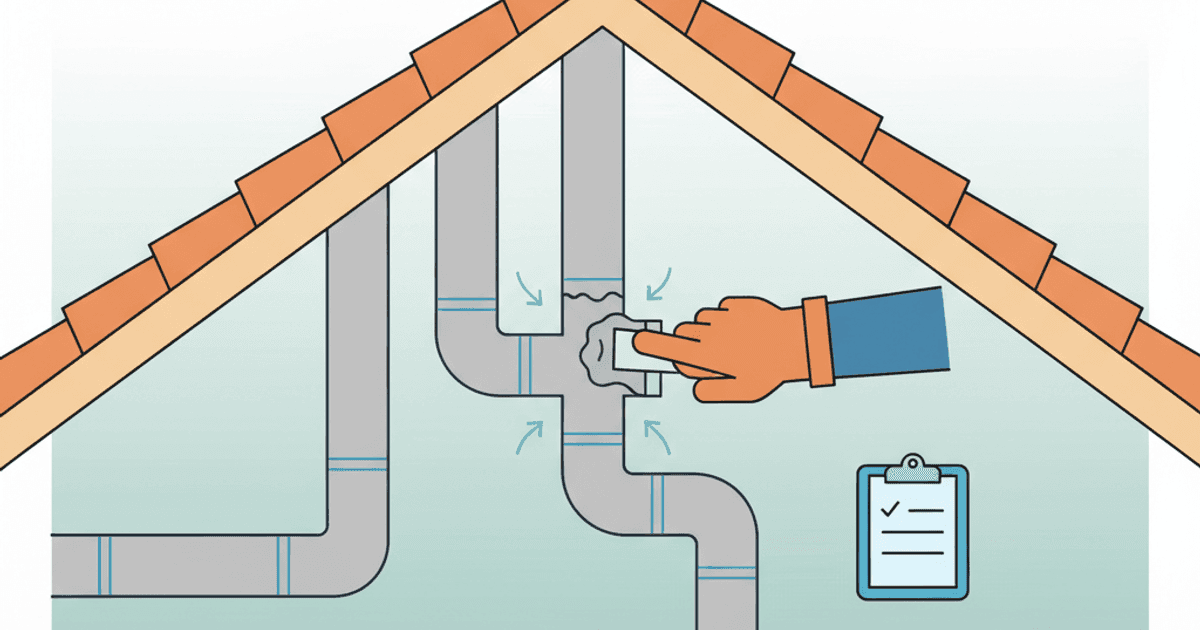
Learn what duct sealing fixes, what it costs, and the questions that separate real work from spray-and-pray.