Blog
Why Is My Energy Bill So High? A 20-Minute Diagnosis (2026)
Why your energy bill is so high, even all of a sudden. Rank the real culprits, run a 20-minute diagnosis with your meter and bill, and fix the right thing first.
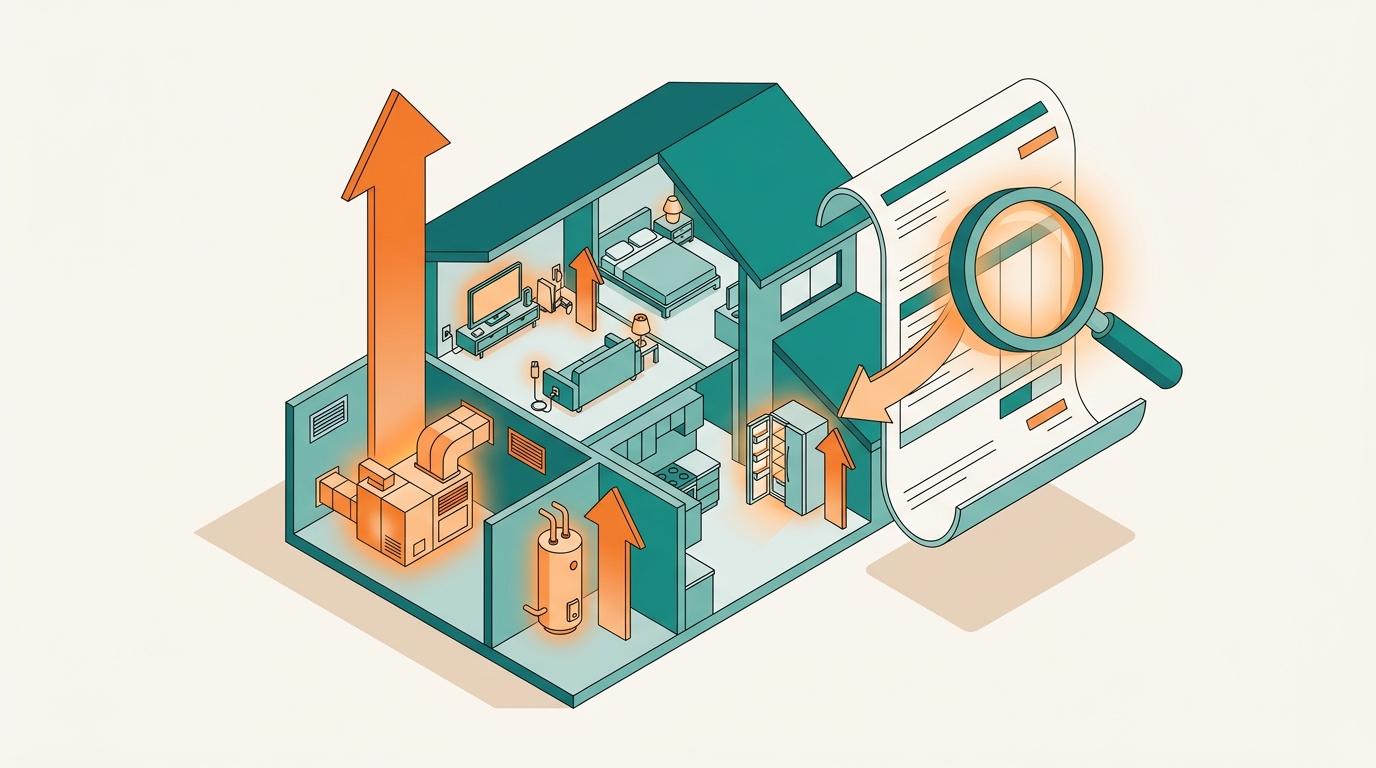
If your bill jumped and you want a number for why, here it is: in a typical U.S. home, heating and cooling are about 45 to 50 percent of energy use, water heating is another 14 to 18 percent, and everything else, the fridge, lights, laundry, electronics, and quiet always-on loads, makes up the rest. When a bill spikes, the cause is almost always one of those big slices getting bigger, or the price per kWh going up underneath you.
So before you blame the utility or price out a new furnace, spend 20 minutes finding out which slice moved. Once you know where the money is going, you can fix the right thing instead of guessing.
If you have the bill-breakdown calculator handy, keep it open. As soon as you gather a few numbers off your bill, plug them in to see how much goes to heating, cooling, hot water, and "everything else."
~17¢/kWh
2026 U.S. average residential price
up ~17% since 2022
~45–50%
Of the bill is heating + cooling
more in hot climates
$100–$200/yr
Wasted on phantom loads
DOE: 5–10% of use
~850 kWh
Typical monthly U.S. usage
≈ $145 at average price
On this page
- Where a typical bill actually goes
- The 20-minute diagnosis
- 1. Read the bill in kWh, not dollars
- 2. Compare to the same month last year
- 3. Heating and cooling: the big lever
- 4. Hot water: the second-biggest load
- 5. Read your meter to catch a hidden load
- 6. New and hidden loads
- 7. Phantom loads and your rate plan
- What to do with what you found
Where a typical bill actually goes
Here is roughly how a typical home's energy splits up by end use. Your house will differ, but this tells you where the leverage is.
Where a typical home's energy goes
Furnace, AC, heat pump
Showers, dishes, laundry
Main fridge, plus any garage fridge
Laundry, electronics, phantom loads
The math is the point. If heating and cooling are nearly half your bill, a thermostat schedule or a clogged filter moves more money than any gadget you can unplug. If your "everything else" slice is unusually fat, that is where a new load or a forgotten always-on device is hiding.
I have lost count of how many "mystery" bills came down to one thing in that picture. A dehumidifier someone left running 24/7 in a damp basement. A resistive water heater element that stuck on and never shut off. A garage chest freezer from 1998 quietly eating 100 kWh a month. The bill is never random. It is one of these.
The 20-minute diagnosis
Work top to bottom. The first three steps are billing, rate, and weather, the things that aren't your house. Then walk down the loads from biggest to smallest.
1. Read the bill in kWh, not dollars
Dollars lie because the price changes. kWh (or therms, or gallons) is the honest number.
Open your latest bill and check:
- Billing dates. Did the period cover more days than usual, say 34 instead of 28? A longer cycle raises the total even if your daily use held steady. Divide the total by the number of days and compare that daily figure across months.
- Estimated vs actual. Some utilities estimate when they cannot read the meter, then "true up" the next cycle. A spike can be two periods of real usage landing in one bill after an estimate.
- Previous balance. Part of the total may be unpaid amount carried from last month.
If you read your bill closely you'll catch most of these in two minutes. Our walkthrough on how to read your utility bill shows exactly where these lines live.
2. Compare to the same month last year
This is the step people skip, and it's the most important one. Comparing January to December tells you nothing useful, because winter just costs more than fall. Compare the month in question to the same month last year.
Pull both bills (your utility portal usually has 12 to 24 months of history) and note, for each:
- Total usage in kWh
- Total cost
- Daily average
Then the diagnosis splits cleanly:
- kWh up, rate flat: something in the home changed. Keep going down this list.
- kWh flat, cost up: it's a rate problem, not a home problem. Skip to step 7.
- Both up: weather plus rate, the most common combination. Read on.
Weather is the quiet driver here. Utilities track "heating degree days" and "cooling degree days," and many print them on the bill or dashboard. A winter that's meaningfully colder than last year means your heat ran more hours for the same thermostat setting. The same goes for a hot summer and the AC. That part of an increase is normal physics, not a fault.
3. Heating and cooling: the big lever
Since this is nearly half the bill, small changes here move more money than anything else. Walk the system:
- Thermostat. Did someone bump the heat up or the cooling down, or switch from a schedule to "hold"? More hours at "home" (someone now works from home) quietly adds runtime.
- Runtime. Listen. Is the furnace, boiler, or heat pump running long stretches with little break? On a hot day, does the AC's outdoor unit barely stop? Short, rapid on-off cycling is its own red flag, often a sign of a dirty coil, low refrigerant, or an oversized or failing system, and it burns energy without delivering comfort.
- Filter. A clogged filter makes the system run longer for the same result. Check it. Swapping a dirty one is a five-minute, few-dollar fix.
- Vents and registers. Furniture or rugs blocking supply vents, or a bunch of registers closed off, can strain the system and lengthen runtime.
Two rules of thumb worth knowing:
- Nudging the heating setpoint down or the cooling setpoint up by 1 to 2 degrees trims heating or cooling energy by several percent over a season.
- A programmable or smart thermostat that sets back 7 to 10 degrees while you sleep or are out cuts annual heating and cooling energy by roughly 8 to 10 percent for many homes. The savings come from the setback hours, not the brand. Our guide to smart thermostat settings that actually save money covers the schedules that work.
If your home runs constantly in winter and the bill doubled, the long-term fix is usually the building shell, not the furnace. Sealing air leaks and adding insulation is what stops the heat you're paying for from leaking out. See attic air sealing cost and run the numbers in the attic insulation calculator.
4. Hot water: the second-biggest load
Water heating is usually the second or third biggest line, around 14 to 18 percent. If the bill spiked but HVAC didn't change, look here.
- Usage habits. Longer or more frequent showers, a new person in the house, a baby, someone showering at home instead of the gym.
- Heater type and age. A standard electric resistance tank uses far more than a heat pump water heater. Older gas units run less efficiently than modern ones.
- Temperature setting. If the tank was turned up, you burn more energy keeping it hot. About 120°F is the usual safe, efficient target.
- Recirculation pumps. Homes with instant-hot-water recirculation can leave the pump running all day instead of on a timer, which adds both pump electricity and standby tank losses.
Here's one that fooled me for a week at a client's house: the electric bill climbed with no habit change at all. The culprit was a lower heating element that had failed and shorted, so the upper element ran almost continuously trying to keep up. The tank was warm, the water was hot, and the meter never rested. A stuck or failing water heater element is a classic "all of a sudden" cause, and you find it by watching the meter (next step) more than by listening.
The bigger fix: swapping an electric resistance tank for a heat pump water heater cuts water-heating electricity by roughly half or more, often a few hundred dollars a year. That's a project, but it starts with noticing hot water sitting high in your breakdown.
5. Read your meter to catch a hidden load
This is the trick that separates a guess from an answer, and it costs nothing.
- Turn off or unplug everything you reasonably can: lights, electronics, chargers. Leave the fridge and HVAC if you must, but note them.
- Go to your meter. On a digital meter, watch the kW or the usage indicator. On an older dial meter, watch the spinning disc or the rightmost dial.
- If the meter is still climbing fast with the house "off," something significant is running that you didn't account for.
Then flip individual breakers (or unplug suspects one at a time) and watch the meter respond. The load that makes the meter jump is your answer. I've caught a seized well pump cycling every few minutes this way, and a basement dehumidifier nobody remembered plugging in.
For a single device, a plug-in energy monitor (a Kill A Watt or similar, about 25 to 50 dollars, and many libraries lend them) tells you the exact watts and running cost of anything on a standard 120V outlet. It's the fastest way to convict a garage fridge or an old entertainment center.
6. New and hidden loads
New loads explain a lot of "all of a sudden" jumps. Ask one question as you walk the house: what uses power now that didn't a year ago?
- Space heaters. A 1,500-watt unit is 1.5 kWh per hour, about 25 cents an hour at average rates, roughly 60 dollars a month per heater run 8 hours a day. Two or three through a cold snap is a very common spike. See the full math in what a space heater costs per hour.
- EV charging. Level 2 home charging adds a large, sustained load. Even Level 1 charging for many hours a night adds up. This is one of the biggest single new loads a household can take on.
- Second fridge or chest freezer. Especially an old one in the garage, it can draw more than your main kitchen fridge. Easy test: unplug it for two weeks and watch the next bill.
- Dehumidifiers, air purifiers, always-on fans. Steady, quiet, around the clock.
- Pool pump and pool heater. Pump runtime and electric resistance heating are major seasonal loads.
- Well and sump pumps. A pump cycling constantly is both a water problem and a bill problem.
- New electronics. Big TVs, game consoles, a work-from-home rig with multiple monitors and an always-on dock.
Find a big addition, look up its typical annual use, and see if it matches your bill change. Then decide: keep it, use it smarter, or replace it.
7. Phantom loads and your rate plan
Two finishers. First, phantom loads, the standby draw of devices that are "off." The DOE puts these at 5 to 10 percent of home electricity, up to roughly 100 to 200 dollars a year. The worst offenders are entertainment systems: a cable or set-top box pulls 15 to 40 watts 24/7, plus consoles, soundbars, and old desktop gear. Smart power strips that cut power when the main device shuts off, and unplugging chargers and unused gear, recover most of it.
Second, your rate, which matters even when your usage is flat:
- Price per kWh now vs. last year. Residential prices rose about 17 percent from 2022 to 2026. A modest per-kWh increase on a high-usage month adds up.
- Time-of-use pricing. If you're on TOU, running laundry, the dishwasher, EV charging, or the pool pump during peak hours costs more even if total energy is the same. Shift those to off-peak and the bill drops with no hardware change.
- Tiered pricing. Some utilities charge a higher rate once you cross a monthly usage threshold.
If your utility portal shows hourly (interval) data, look at when your usage happens. That alone often explains a TOU bill.
If the math still doesn't add up after all this, call the utility. Ask whether the read was actual or estimated, whether your rate or plan changed, and whether they can share interval data. Errors are rare, but a misread or stuck meter, or a true-up after an estimate, does happen.
What to do with what you found
After this walk-through and a pass through the bill-breakdown tool, you should be able to write one sentence describing your home's pattern. For example: "Our winter gas use doubled and the furnace runs constantly, so heating and the shell come first," or "The electric bill jumped when we started charging the EV on a time-of-use rate, so we need a smarter charging schedule."
From there, pick one or two focus areas and stage the work:
- This month, low or no cost: thermostat setback, fresh HVAC filter, water heater to 120°F, smart power strips on the entertainment center, retire a spare fridge.
- This year, one project: air sealing and insulation, or a heat pump water heater to replace an electric resistance tank.
- Longer term: equipment upgrades sized into a single plan instead of one panic purchase at a time.
If you want a guided version of this, start with high bills and we'll route you to the right next step. The number on your bill stopped being a mystery the moment you broke it into pieces. Now every dollar you spend can go where it actually moves the bill.
Sources & further reading
- Average Price of Electricity to Ultimate Customers (Electric Power Monthly) — U.S. Energy Information Administration
- Use of energy in homes — energy consumption by end use — U.S. Energy Information Administration
- How to Read Residential Electric and Natural Gas Meters — U.S. Department of Energy
- Reducing Standby (Phantom) Power Use — U.S. Department of Energy
- Thermostats and energy-saving setbacks — U.S. Department of Energy
- Water Heating efficiency and savings — ENERGY STAR
Frequently asked questions
Why is my energy bill so high?+
In most homes the bill is driven by heating and cooling, which is about 45 to 50 percent of energy use, followed by water heating at roughly 14 to 18 percent. The rest is the refrigerator, lighting, laundry, electronics, and always-on phantom loads. When a bill spikes, the cause is usually one of six things stacking up: colder or hotter weather making the HVAC run longer, a rate increase, a longer or estimated billing period, a new high-draw device, failing equipment that short-cycles, or a habit change like more time at home. Compare kWh (not dollars) to the same month last year to see whether you used more energy or just paid a higher rate.
Why is my electric bill so high all of a sudden?+
A sudden jump almost always traces to one of these: a weather swing that made the AC or heat run far more hours (utilities call these heating and cooling degree days), a rate change or a switch to time-of-use pricing, a longer billing period or an estimated read that got trued-up, a new load such as a space heater or EV charger, or failing equipment short-cycling, like an AC low on refrigerant or a stuck water heater element. Pull the last 12 months of usage from your utility's online portal. If kWh climbed, look for a new or broken load. If kWh held flat but the cost rose, it is a rate problem.
What uses the most electricity in a home?+
Heating and cooling, by a wide margin: roughly 45 to 50 percent of a typical home's energy, and more than half in hot climates that lean on air conditioning. Water heating is next at about 14 to 18 percent. After that come the refrigerator (around 7 percent), lighting (around 10 percent), and everything else: laundry, dishwasher, electronics, and standby loads. A plug-in monitor like a Kill A Watt confirms what any single 120V device actually pulls.
How do I figure out what is driving my high bill?+
Do three things. First, read your bill in kWh and compare it to the same month last year, not just last month, so seasonal swings do not fool you. Second, read your meter: turn off everything you can and watch whether the meter still climbs, which reveals an always-on load. Third, use a plug-in energy monitor (about 25 to 50 dollars, or borrow one from a library) on suspect devices like a garage fridge or an entertainment center. The bill-breakdown tool turns your total into a per-end-use estimate so you know which fix is worth your time.
How much do phantom or vampire loads cost per year?+
The U.S. Department of Energy estimates standby power is 5 to 10 percent of residential electricity use and can cost a household up to about 100 to 200 dollars a year. The worst offenders are entertainment systems: a cable or set-top box can pull 15 to 40 watts around the clock, plus game consoles, soundbars, and old desktop gear. Smart power strips that cut power when the main device is off, and unplugging chargers and an unused second fridge, recover most of it.
Does a smart thermostat actually lower my bill?+
It can, because heating and cooling are the largest slice of the bill. Setting the heat back or the cooling up when you sleep or are away, and letting a smart thermostat hold that schedule, cuts annual heating and cooling energy by roughly 8 to 10 percent for many households. The savings come from the setback hours, not the brand, so any programmable thermostat used consistently does the job.
How much does a space heater add to my electric bill?+
A 1,500-watt space heater uses 1.5 kWh per hour, so at the 2026 U.S. average of about 17 cents per kWh it costs roughly 25 cents an hour. Run it 8 hours a day and that is about 2 dollars a day, or around 60 dollars a month per heater. Two or three of them running through a cold snap is a common reason an electric bill spikes all of a sudden. Heating one occupied room with a space heater can make sense; heating the whole house with them is the most expensive way to stay warm.
Why did my bill go up but my usage stayed the same?+
That is a rate problem, not a home problem. U.S. residential electricity prices rose about 17 percent from 2022 to 2026 and now average roughly 17 cents per kWh, so the same kWh costs more than it did a year or two ago. You may also have crossed into a higher pricing tier, or moved onto a time-of-use plan where running laundry, the dishwasher, or EV charging during peak hours costs more. Shifting big loads to off-peak hours lowers the bill with no hardware change.
Should I call my utility about a high bill?+
Yes, if the math does not add up after you have checked the billing period, the rate, the weather, and your loads. Ask them to confirm whether the read was actual or estimated, whether your rate or plan changed, and whether they can share interval (hourly) data so you can see when the usage happened. Billing and metering errors are rare but real, and a stuck or misread meter, or a true-up after an estimate, can produce a one-time spike that has nothing to do with your house.
What is the fastest way to lower a high energy bill?+
Start with the largest slice and the cheapest fixes. Set the thermostat back 7 to 10 degrees for the 8 hours you sleep or are away, change a clogged HVAC filter, and turn down the water heater to about 120 degrees Fahrenheit. Then kill phantom loads with smart power strips and unplug a second fridge you do not need. Those cost little or nothing and target heating, cooling, and hot water, which together are about two-thirds of most bills. Bigger projects like air sealing, insulation, or a heat pump water heater come after you know where the money goes.
Try the companion tool
This post links to an interactive tool built for this topic. Open it to see numbers tailored to your home.
Open the toolGet practical energy tips
Join homeowners getting practical tips on cutting energy bills and staying comfortable.
Practical tips only. Unsubscribe anytime.
Read this next
Related guides selected by topic overlap and upgrade path.
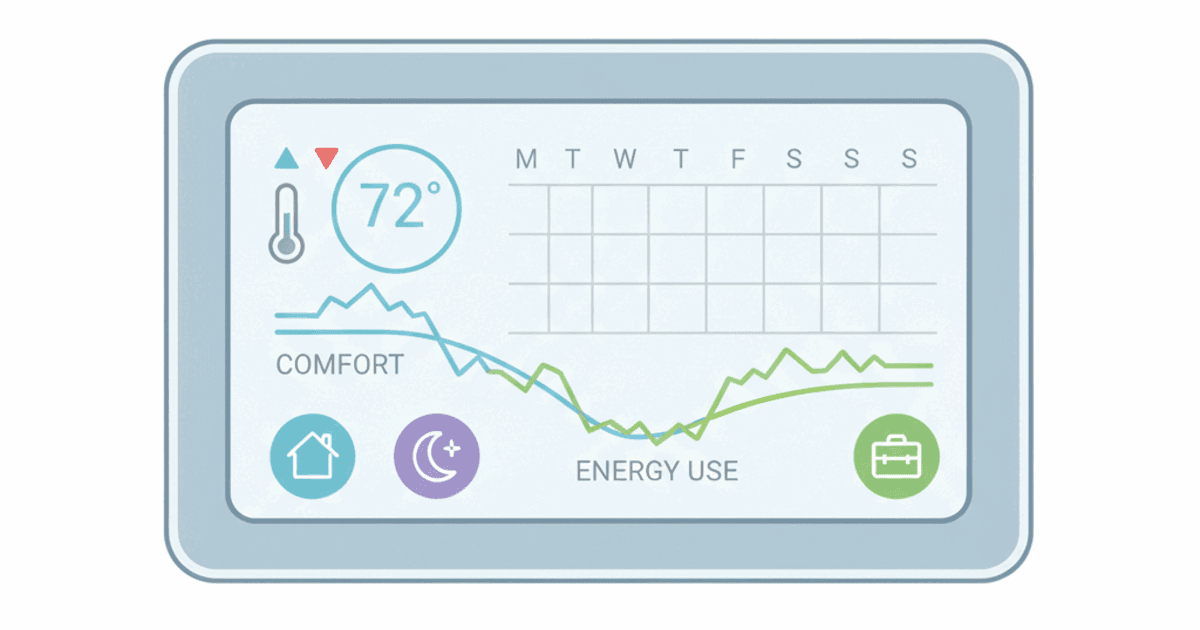
A practical way to set schedules, setbacks, and temperature ranges for real bill savings; includes heat pump-specific tips and simple checks to confirm results.
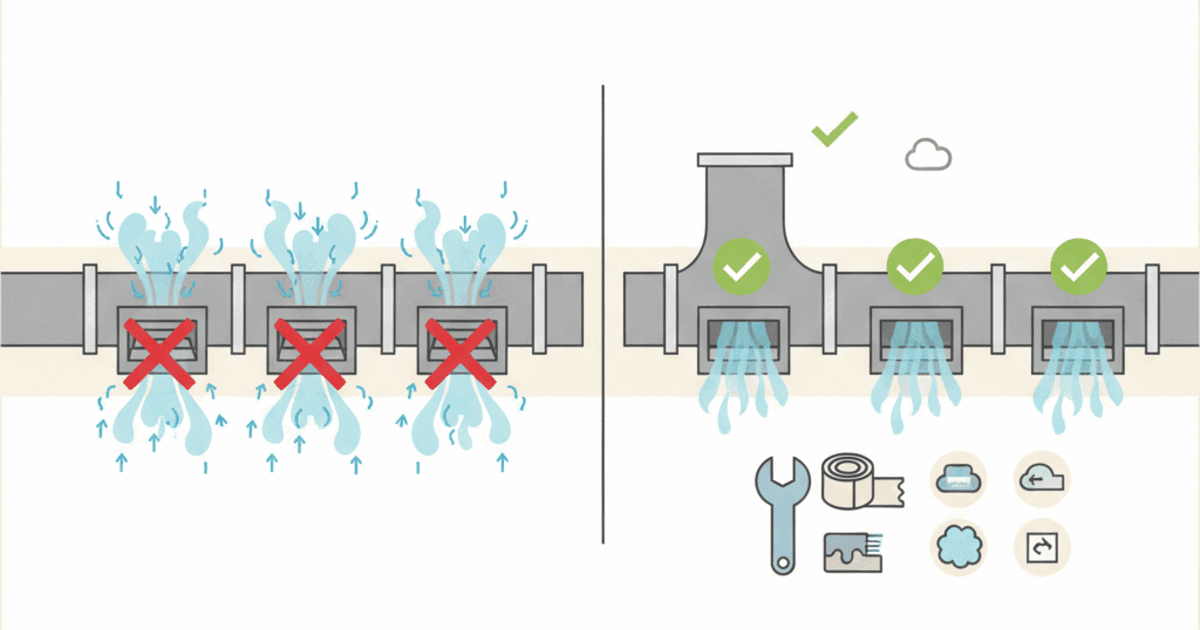
Closing supply vents feels like it should cut your bill, but it often increases duct leakage, reduces comfort, and can stress HVAC equipment. Here is what to do instead.
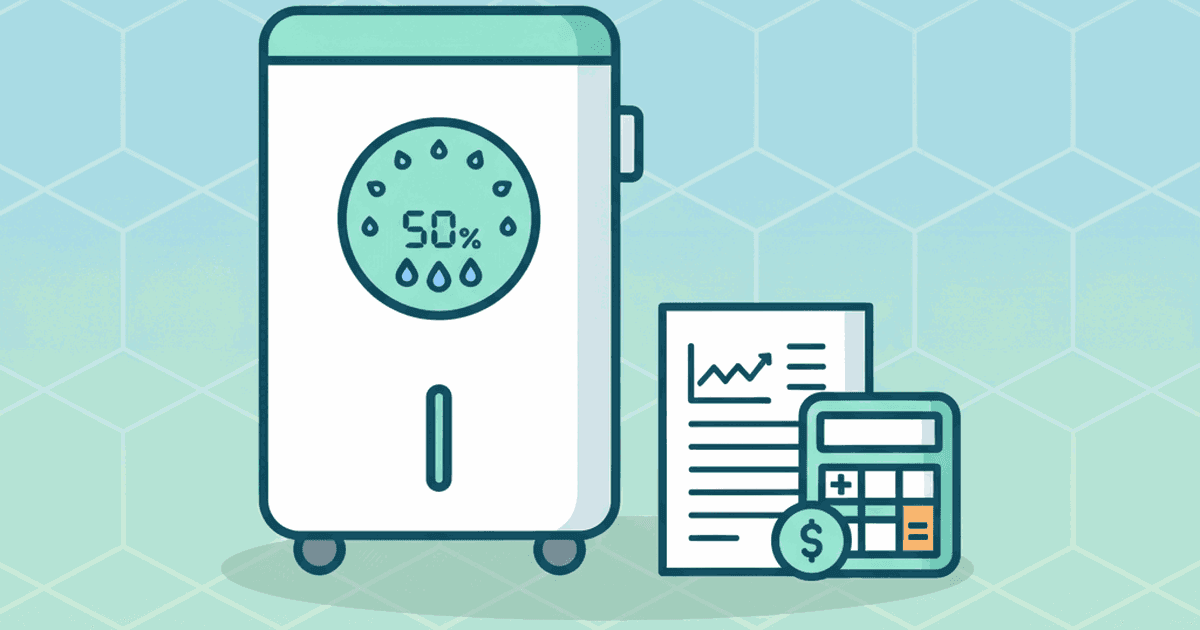
Calculate what a basement dehumidifier costs to run at your electric rate, then cut runtime with moisture fixes that often cost less.
Learn what duct sealing fixes, what it costs, and the questions that separate real work from spray-and-pray.