Blog
Should you close vents to save energy? Why it often backfires
Closing supply vents feels like it should cut your bill, but it often increases duct leakage, reduces comfort, and can stress HVAC equipment. Here is what to do instead.
Closing vents in unused rooms feels logical. Less space to heat or cool should mean a lower bill.
In many forced-air homes, it does not work that way. Closing vents can increase duct leakage, make comfort worse, and in some cases stress equipment.
This guide explains why, when it is sometimes OK, and what to do instead.
One-minute setup (do this first)
- If you are closing vents because one room is miserable, read Cold rooms, hot rooms: fix uneven temps before big upgrades.
- If your ducts run through an attic or crawlspace, open Duct sealing: when it pays back.
- If you want to stage fixes, open the Upgrade Timing Planner and note the rooms that drive the vent-closing habit.
On this page
- Quick answer: does closing vents save energy?
- If you are closing vents for a specific reason, try this instead
- Why closing vents often backfires
- 1. Higher duct pressure can mean more duct leakage
- 2. Less airflow can reduce equipment performance
- 3. It can increase noise and uneven temperatures
- 4. It does not fix the real comfort problem
- What if my system is variable speed or ''smart''?
- When closing vents can be OK (with guardrails)
- A return-path check you can do tonight
- Better options than closing vents
- Option A: seal ducts first
- Option B: improve return air paths
- Option C: fix the house boundary
- Option D: do real balancing (not guesswork)
- Option E: consider zoning only after the basics are solid
- A calm troubleshooting checklist
- A simple way to test whether vent closing even matters
- FAQs
- Is it OK to close vents in unused rooms?
- Can closing vents damage my HVAC system?
- What about closing return vents?
- I closed vents and my bill dropped. Does that mean it worked?
- Next steps
Quick answer: does closing vents save energy?
Sometimes it saves a small amount. Often it does not. Sometimes it costs more.
Why? Most systems are not designed to ''downsize'' on demand when you close vents. Instead, you change airflow and pressure in ways that can create new losses.
The U.S. Department of Energy has a practical overview of duct issues and why leakage matters. https://www.energy.gov/energysaver/ducts
If you are closing vents for a specific reason, try this instead
| What you are trying to do | Better first move |
|---|---|
| Stop overheating one room | throttle one register slightly, then check return path and sun exposure |
| Keep a guest room unused | leave the vent mostly open; fix the house boundary so the room does not drift wildly |
| Force more air upstairs | check filter and returns first; then look for balancing dampers, not register roulette |
| Cut bills fast | start with duct sealing and attic air sealing; those reduce pure waste |
If you still want to adjust vents after these checks, change one vent at a time and wait a few days. Random changes stack together and make it hard to know what helped.
Why closing vents often backfires
1. Higher duct pressure can mean more duct leakage
Many ducts leak. When you close several supply vents, the blower still pushes air, but it has fewer exits. Pressure rises, and leaks can increase.
If the ducts are in a vented attic, crawlspace, or garage, that leaked air is outside the conditioned space. You pay to heat or cool it, then it disappears.
2. Less airflow can reduce equipment performance
Forced-air systems need airflow.
- In cooling mode, low airflow can make the coil run too cold and risk freezing.
- In heating mode, low airflow can raise temperatures in the furnace or air handler.
Not every home hits these extremes, but the risk rises as more vents are closed.
3. It can increase noise and uneven temperatures
When airflow is forced through fewer outlets, you often get:
- whistling at registers,
- air ''dumping'' in the rooms left open,
- stagnant air in closed rooms,
- bigger temperature swings between floors.
That pushes people toward more overrides and schedule changes, which can erase any savings you hoped to get.
4. It does not fix the real comfort problem
People close vents because comfort is uneven. The root causes are usually:
- leaky ducts,
- poor balancing,
- missing return paths,
- weak insulation or air sealing,
- solar gain through windows,
- doors left open or closed changing airflow patterns.
Closing vents treats the symptom and often creates new symptoms.
What if my system is variable speed or ''smart''?
Some newer air handlers and furnaces have variable-speed blowers (often called ECM). That can make vent closing less dramatic, but it does not make it a free win.
Reasons it still disappoints:
- The blower can ramp to maintain airflow, which can keep leakage losses high.
- The system still sees a different pressure environment than it was balanced for.
- Comfort still depends on returns, duct sizing, and the house boundary.
If you want to know whether the house is the real issue, start with the attic insulation calculator and Air sealing weekend checklist. Many ''unused room'' problems are heat loss problems, not scheduling problems.
When closing vents can be OK (with guardrails)
There are cases where minor vent adjustment is fine:
- You close or throttle one supply vent in a room that is consistently over-conditioned.
- The room has a proper return path (return grille, transfer grille, or adequate undercut).
- You make small changes and watch system behavior.
If you are closing many vents across the home, treat it as a signal that you need a duct and airflow plan.
If you hear whistling at vents, see rooms getting stuffy, or notice the system short-cycling, stop and reassess.
A return-path check you can do tonight
Room-to-room comfort problems often come from return air, not supply air.
Try this:
- Close a bedroom door with the system running.
- Stand near the door and listen. If you hear a strong ''whoosh'' under the door, the room may be starved for return air.
- Crack the door open. If the airflow and comfort feel better quickly, you likely have a return-path issue.
Fixes vary by layout (transfer grille, jump duct, additional return). The point is to diagnose the cause so you stop treating vents like a steering wheel.
Better options than closing vents
Option A: seal ducts first
If your ducts are in unconditioned space, sealing can be one of the highest ROI fixes because it reduces pure waste.
Start with Duct sealing: when it pays back and focus on large leaks near the air handler and accessible trunk lines.
Option B: improve return air paths
Many comfort problems come from closed bedroom doors and weak return paths.
Signs include:
- rooms that feel stuffy when the door is closed,
- big temperature differences between rooms,
- air rushing under doors.
An HVAC pro can add transfer grilles, jump ducts, or additional returns depending on the layout.
Option C: fix the house boundary
If upstairs is hot in summer and cold in winter, attic insulation and air sealing often beat vent games.
Use:
Option D: do real balancing (not guesswork)
Some systems have balancing dampers in the ductwork. If yours does, small adjustments can help.
The difference between balancing and random vent closing is intent:
- Balancing targets airflow to match room loads.
- Random closing tries to force air without knowing what the system needs.
Option E: consider zoning only after the basics are solid
Zoning can work, but it is not a shortcut. In a two-story home with major load differences, zoning can improve comfort. But adding zones to a leaky duct system can make pressure problems worse.
Before zoning:
- seal ducts,
- fix return paths,
- improve attic insulation and air sealing,
- confirm equipment sizing is reasonable.
If you are thinking about zoning as part of a bigger HVAC project, sketch it in the Upgrade Timing Planner so it does not become an expensive band-aid.
A calm troubleshooting checklist
If you are tempted to close vents again, run this list first:
- Walk the house and mark the three worst rooms.
- Check for obvious supply blockage (furniture, rugs, closed registers).
- Check filter condition and replace if needed.
- If ducts are in attic/crawlspace, look for disconnected runs and visible gaps.
- If one room is far worse, check whether the door is usually closed and whether there is a return.
Then put the fix in order:
- Fast: filter, register blockage, door habits, basic air sealing.
- Medium: duct sealing, return path improvements, attic insulation.
- Larger: zoning, duct redesign, equipment changes.
Capture the staged plan in the Upgrade Timing Planner so you do not keep re-solving the same problem every season.
A simple way to test whether vent closing even matters
If you want a reality check without instruments, do this for a week:
- Open the vents back up.
- Keep the thermostat schedule stable.
- Track comfort complaints and thermostat runtime (many apps show daily hours).
If runtime hardly changes but comfort improves, vent closing was not saving energy. It was moving discomfort around.
If runtime drops a lot, the system may have been over-conditioning certain areas. That usually points back to balancing, return paths, insulation differences, or sun exposure, not a magical vent trick.
FAQs
Is it OK to close vents in unused rooms?
Closing one or two vents partway is often fine. Closing many vents can raise duct pressure and increase leakage. If unused rooms are a big share of the house, you may need a zoning or duct plan instead of vent hacks.
Can closing vents damage my HVAC system?
It can contribute to airflow problems that stress equipment, especially if many vents are closed. If you notice new noise, short cycling, coil icing, or comfort swings, open vents back up and get airflow checked.
What about closing return vents?
Closing returns is more risky because it directly starves the system of airflow. Leave returns open unless a qualified pro tells you otherwise for a specific balancing plan.
I closed vents and my bill dropped. Does that mean it worked?
Not always. Weather and billing periods change. Compare the same season over multiple billing cycles and look for comfort impacts. If the house got less comfortable, the savings may not be worth it.
Next steps
- If you are closing vents because a few rooms are always bad, start with Cold rooms, hot rooms and Duct sealing: when it pays back.
- Build a staged fix list in the Upgrade Timing Planner so you can move from quick tweaks to durable comfort.
Try the companion tool
This post links to an interactive tool built for this topic. Open it to see numbers tailored to your home.
Open the toolGet practical energy tips
Join homeowners getting practical tips on cutting energy bills and staying comfortable.
Practical tips only. Unsubscribe anytime.
Read this next
Related guides selected by topic overlap and upgrade path.
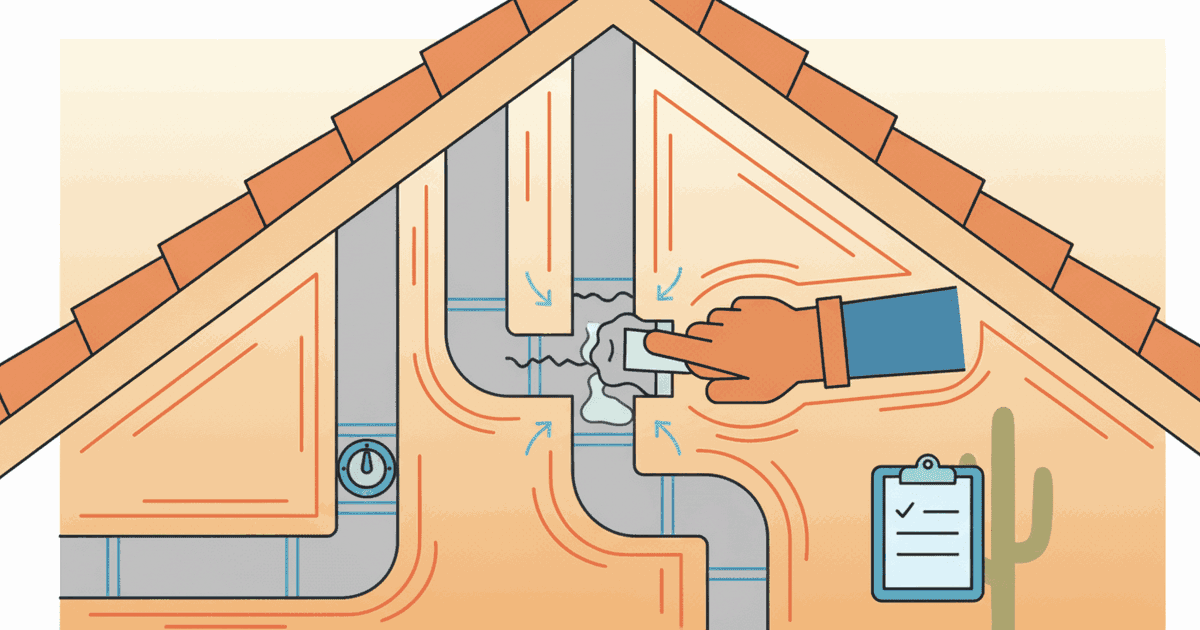
A buyer-intent guide for Phoenix homeowners with hot rooms and high summer bills. Learn what duct sealing and balancing includes, typical cost drivers, and how to compare quotes.
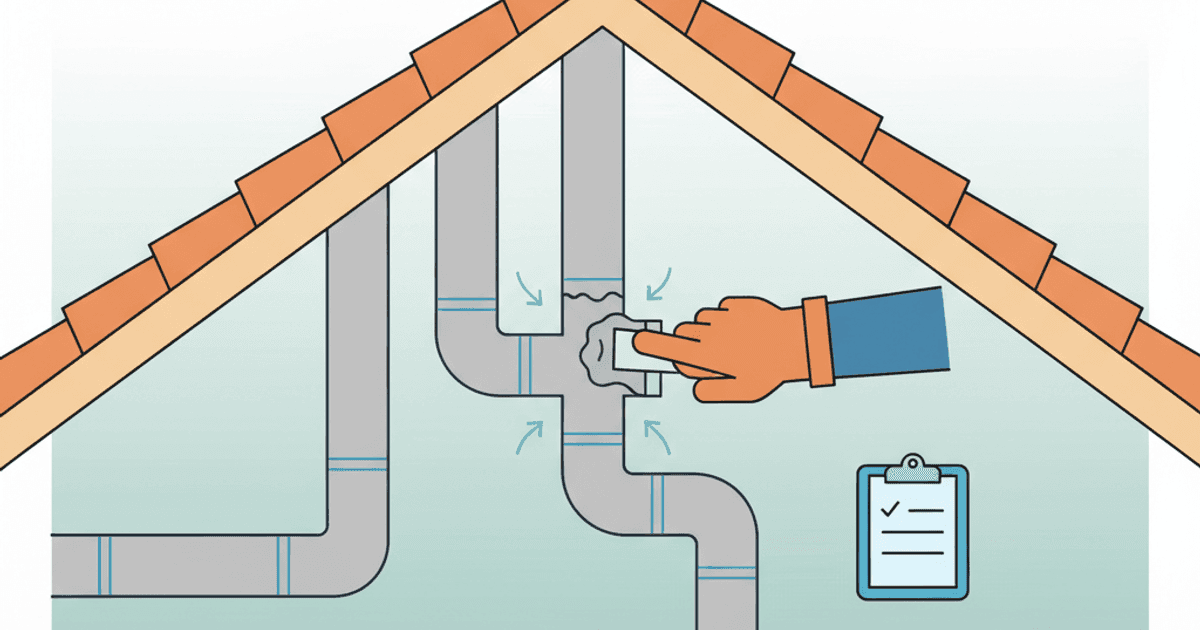
Learn what duct sealing fixes, what it costs, and the questions that separate real work from spray-and-pray.
A practical way to set schedules, setbacks, and temperature ranges for real bill savings; includes heat pump-specific tips and simple checks to confirm results.
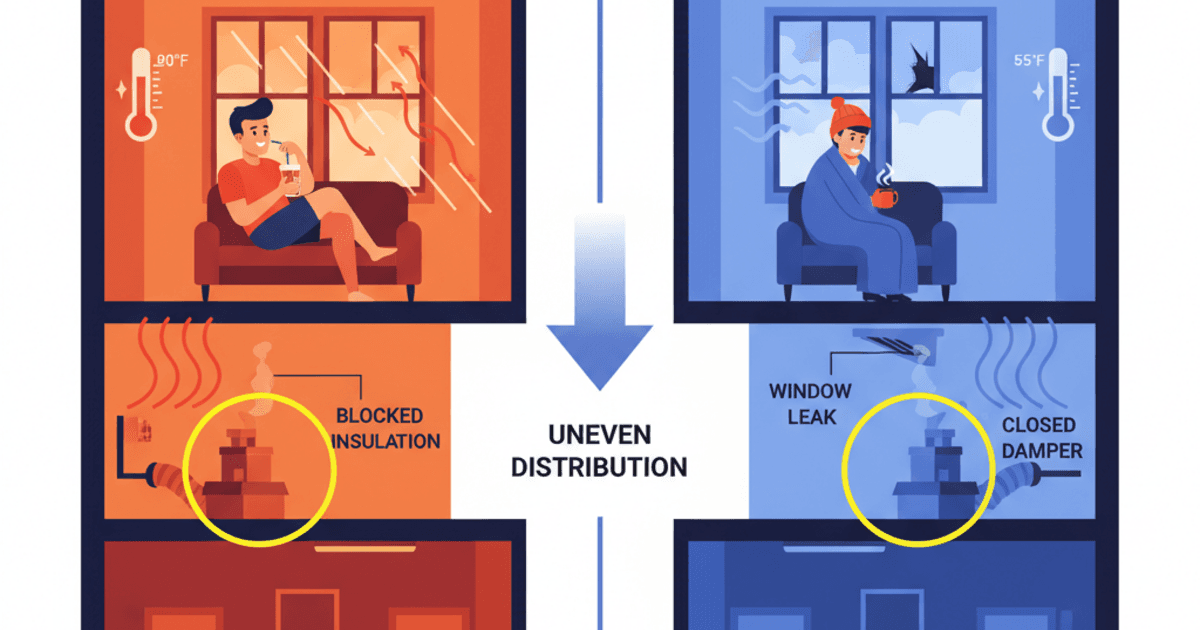
Weekend-level fixes to even out hot and cold rooms before spending on new HVAC or windows.