Blog
Best Temperature to Set Thermostat in Winter to Save Money
Start at 68°F while awake, use a careful winter setback, and adjust for heat pumps, humidity, sleep, pets, health, and time-of-use rates.
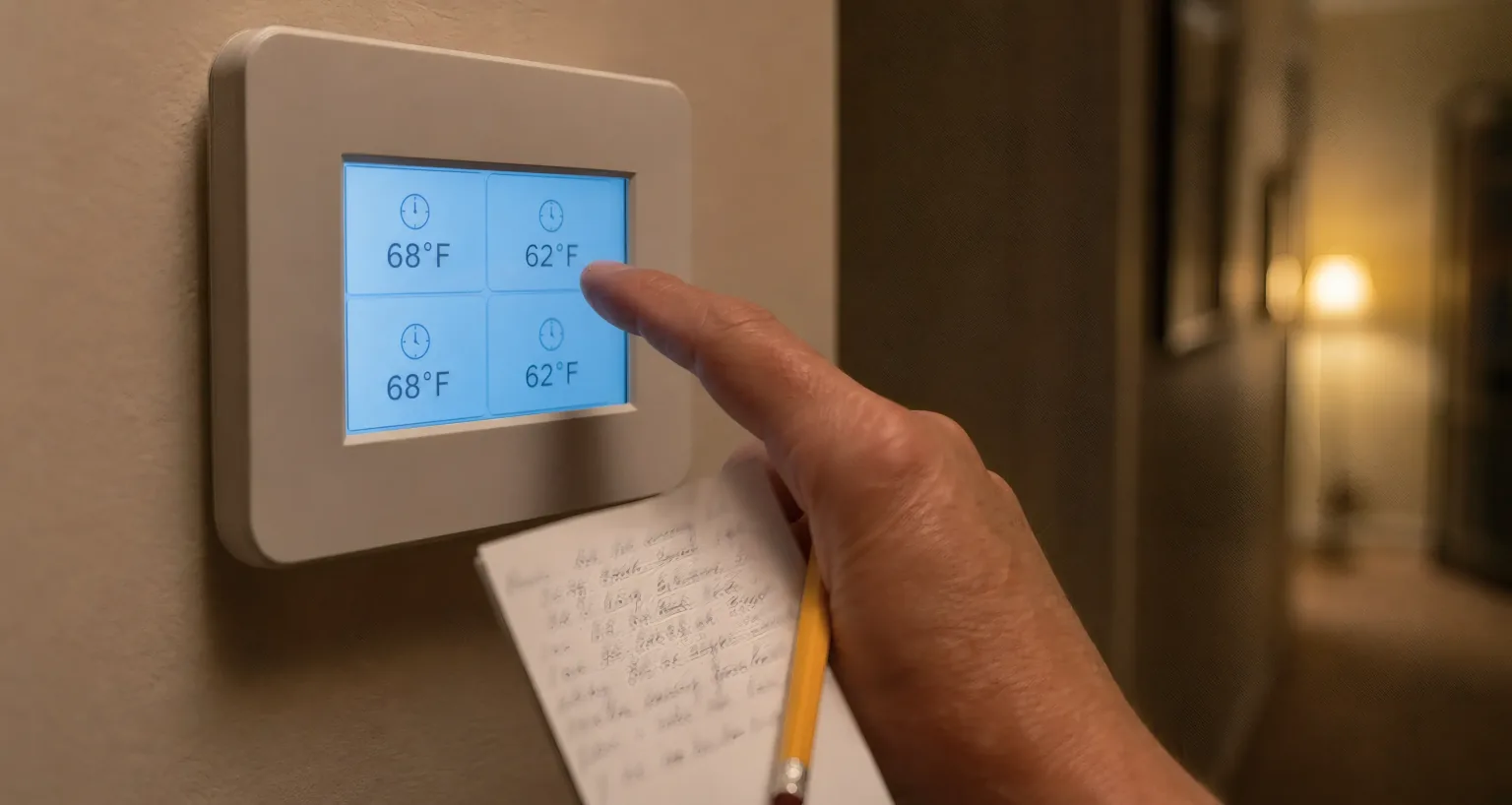
At 6:30 a.m., the Best Temperature to Set Thermostat in Winter to Save Money is usually 68°F while you're awake, followed by a lower setting when everyone is asleep or away.
Treat 68°F as a starting point. Try 65°F to 67°F if the household stays comfortable, and lower the setting by several degrees for a long sleep or away period. Heat pumps often need gentler setbacks because a large recovery can call expensive auxiliary resistance heat.
Set this today
| Time | Furnace starting point | Heat-pump starting point |
|---|---|---|
| Awake and home | 68°F | 68°F |
| Asleep | 62°F to 65°F | 65°F to 67°F |
| Away for 8+ hours | 60°F to 64°F | 63°F to 66°F |
Change one block, leave it for a week, and stop if comfort, condensation, frozen-pipe risk, health needs, or auxiliary-heat use worsens.
On this page
- Why 68°F is a starting point
- Pick the lowest comfortable awake setting
- Use a setback the system can recover from
- Heat pumps need a different winter schedule
- Protect pipes, humidity, and indoor air
- Program four blocks
- Measure savings without fooling yourself
- Common problems and the next move
- Winter thermostat checklist
- Sources
Why 68°F is a starting point
Heat flows faster when the indoor-outdoor temperature difference grows. Lowering the indoor setpoint reduces that difference, so the heating system has less work during the setback.
The exact savings depend on weather, insulation, air leakage, equipment, rates, occupancy, and how long the lower setting lasts. A thermostat setting alone cannot promise a percentage.
ENERGY STAR certifies smart thermostats using field data and product criteria rather than accepting every connected thermostat as efficient. Its smart thermostat guide is useful when you are choosing a device. A working programmable thermostat can still run the schedule above without an app.
Pick the lowest comfortable awake setting
Set 68°F for three ordinary days. If no one is cold, try 67°F. Continue in one-degree steps until comfort begins to slip, then move back up.
Check the rooms people occupy rather than trusting one hallway sensor. A thermostat warmed by afternoon sun can read 68°F while a north bedroom sits several degrees lower (a small digital thermometer on the nightstand settles that argument quickly).
- Sweaters and bedding may make a lower setpoint comfortable.
- Cold hands in one room can signal airflow or envelope trouble.
- If portable heaters appear, count their electricity before calling the lower setting a success.
- A baby, older adult, or person with a health condition may need a narrower range. Follow their clinician's guidance.
For stubborn room differences, work through cold and hot room causes before pushing the central thermostat higher.
Use a setback the system can recover from
A setback needs enough time at the lower temperature to matter. It also needs a reasonable recovery.
Gas or oil furnace. Start with 4°F to 6°F lower for sleep and a long absence. A larger change may work in a tight home with fast recovery, though there is little value in letting plumbing spaces become dangerously cold.
Electric resistance heat. A schedule reduces demand, but each delivered unit of heat still uses resistance electricity. Zoned baseboards allow occupied rooms to stay warmer while unused rooms remain cooler, subject to moisture and pipe protection.
Boiler or radiant floor. High-mass systems respond slowly. Try 2°F to 3°F and begin recovery earlier. An aggressive nightly swing can produce a cold morning followed by overheating.
Heat pump. Begin with 1°F to 3°F. Watch the thermostat for AUX or EM HEAT during recovery and check the equipment's runtime history.
Heat pumps need a different winter schedule
Many heat pumps save energy by running steadily at moderate output. A thermostat may bring on electric resistance strips when the setpoint jumps several degrees or when outdoor conditions exceed a configured threshold. Those strips deliver heat quickly and can be costly to run.
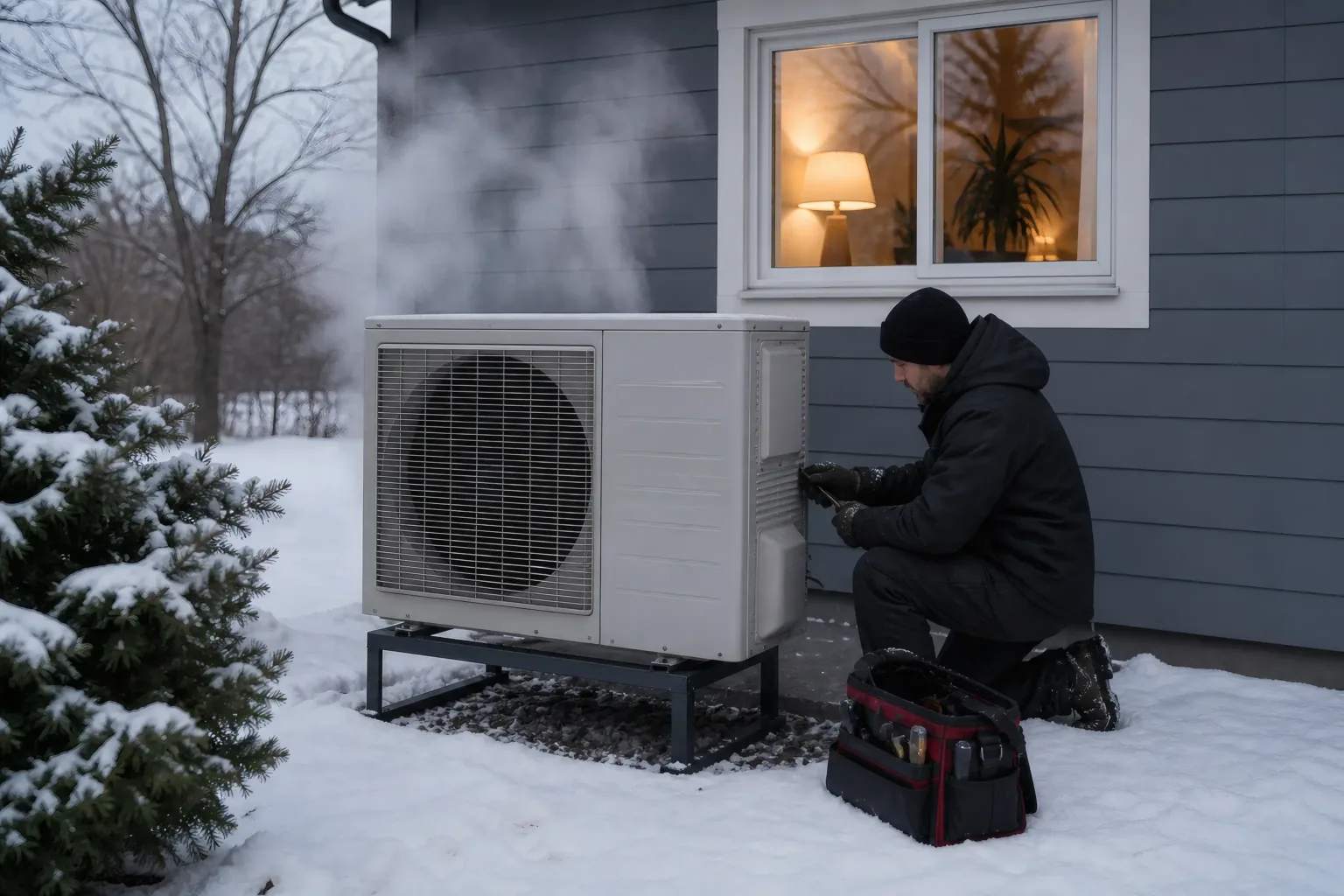
Try this test:
- Hold a steady setting for three comparable cold days.
- On the next comparable days, use a 2°F overnight setback.
- Check comfort, total runtime, and auxiliary-heat indicators.
- Keep the setback only when the house recovers without a costly auxiliary spike.
Do not use EM HEAT as a routine comfort setting. It generally locks out the outdoor heat pump and relies on backup heat. Use it according to the equipment and installer instructions when the heat-pump side has failed.
If replacement is approaching, compare systems with the Heat Pump vs Furnace Calculator.
Protect pipes, humidity, and indoor air
Sixty degrees at the thermostat does not mean every wall cavity is 60°F. Pipes near a leaky rim joist or exterior wall can be much colder. Keep cabinet doors open where appropriate, correct air leaks, and follow local cold-weather guidance during severe conditions.
Window condensation is another limit. Lower indoor temperature raises relative humidity when the amount of moisture in the air stays similar. If water collects on glass or frames, measure indoor humidity, use kitchen and bath exhaust, and investigate moisture sources.
Combustion appliances require working carbon-monoxide alarms and proper maintenance regardless of the thermostat setting. Never use an oven, grill, or unvented outdoor heater to warm the home.
Program four blocks
| Block | Example | Adjustment |
|---|---|---|
| Wake | 68°F at 6:30 a.m. | Start earlier for radiant heat; avoid a large heat-pump jump |
| Away | 63°F at 8:00 a.m. | Skip when someone remains home |
| Home | 68°F at 5:00 p.m. | Shift earlier only as much as recovery requires |
| Sleep | 64°F at 10:30 p.m. | Raise it if sleep or health suffers |
Geofencing can help an irregular household, but location mistakes can cool the home while someone remains inside. Set a minimum temperature, disable learning features that fight the chosen schedule, and review the history after the first week.
With time-of-use rates, a small preheat before an expensive period may reduce cost. Keep the change modest for heat pumps and confirm it against the actual tariff. The Bill Breakdown Estimator helps separate heating from fixed charges and other loads.
Measure savings without fooling yourself
Compare energy use first. Rates and fixed charges can change while consumption falls.
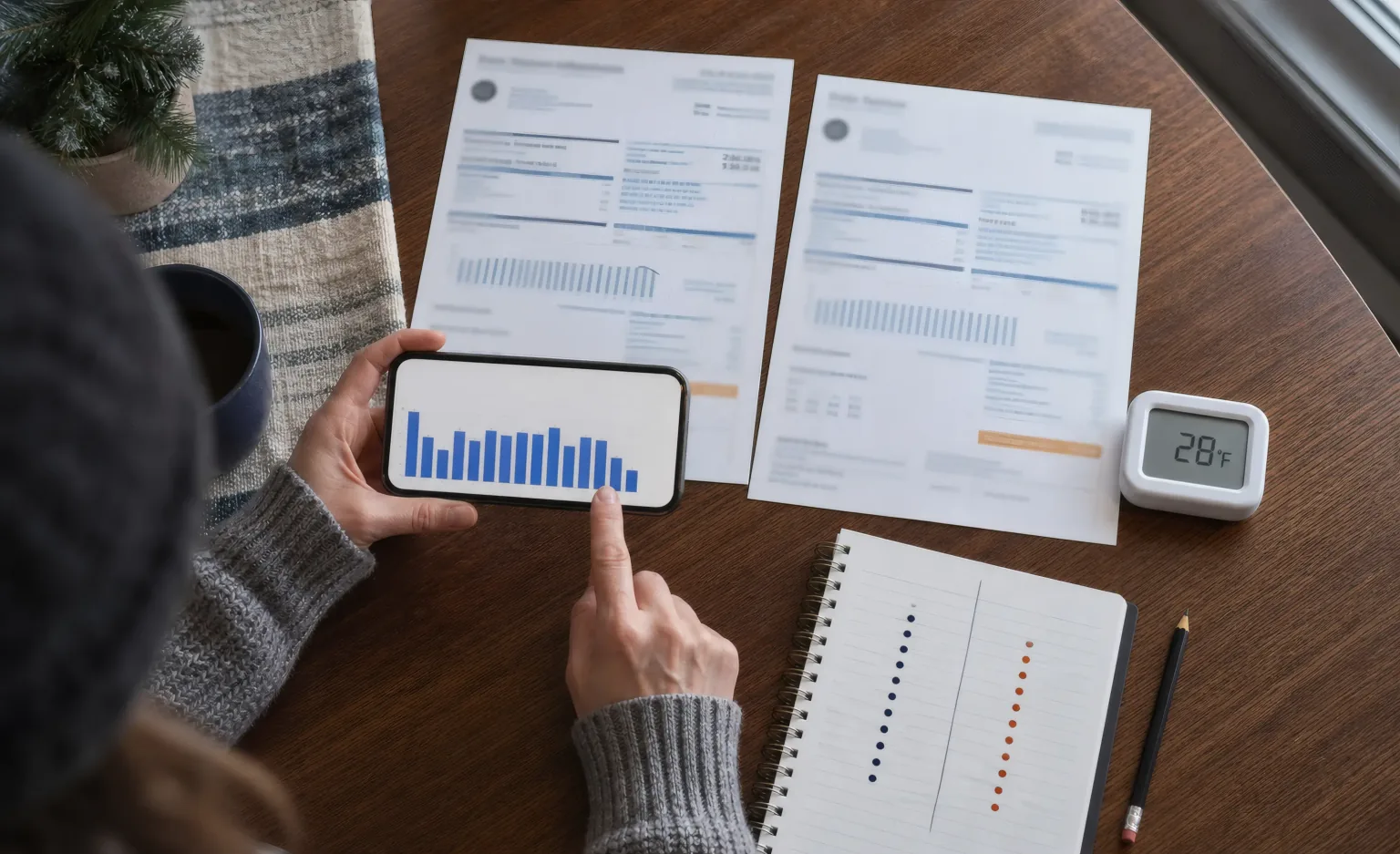
For a simple home test:
- Record the schedule and all manual overrides.
- Note daily outdoor high and low temperatures from one consistent source.
- Compare utility interval use or thermostat runtime across similar-weather days.
- One variable. Avoid changing the schedule, sealing the attic, and leaving for vacation during the same comparison.
- Repeat through at least one full billing cycle before drawing a conclusion.
Use the Programmable Thermostat Savings Calculator for a scenario, then compare its estimate with your measured result.
Common problems and the next move
| Symptom | Likely cause to check | Next move |
|---|---|---|
| AUX heat runs every morning | Recovery jump or thermostat staging | Reduce the setback; ask the installer to verify control settings |
| One bedroom stays cold | Low airflow, leakage, insulation gap, or sensor location | Measure the room and inspect delivery and envelope |
| Furnace starts and stops rapidly | Oversizing, airflow, control, or equipment fault | Schedule qualified service rather than changing the deadband blindly |
| House overshoots after recovery | High-mass system or recovery begins too early | Use a smaller setback and adjust recovery timing |
| Bill rises after a lower setting | Colder weather, rate change, portable heat, or auxiliary heat | Compare consumption and weather, then inspect added loads |
Winter thermostat checklist
- Identify furnace, boiler, heat pump, or resistance heat.
- Start at 68°F while awake.
- Choose four schedule blocks at most.
- Use a modest heat-pump setback.
- Check remote rooms with a separate thermometer.
- Watch humidity, condensation, and vulnerable plumbing.
- Confirm smoke and carbon-monoxide alarms are working.
- Track overrides, runtime, AUX heat, weather, and energy use.
- Adjust by one degree rather than rebuilding the schedule nightly.
Sources
- ENERGY STAR: Smart Thermostats, for certification, compatibility, and savings guidance based on field data.
- ENERGY STAR Smart Thermostat Key Product Criteria, for the technical basis of certification.
- U.S. EPA: Care for Your Air, for combustion safety, carbon monoxide, ventilation, and indoor-moisture guidance.
Start with one week at 68°F while awake and a system-appropriate setback. Record the result before making the next change.
Try the companion tool
This post links to an interactive tool built for this topic. Open it to see numbers tailored to your home.
Open the toolGet practical energy tips
Join homeowners getting practical tips on cutting energy bills and staying comfortable.
Practical tips only. Unsubscribe anytime.
Read this next
Related guides selected by topic overlap and upgrade path.
Is it OK to close air vents? Learn what one closed register changes, why several can raise duct pressure, and how to fix an uneven room safely.
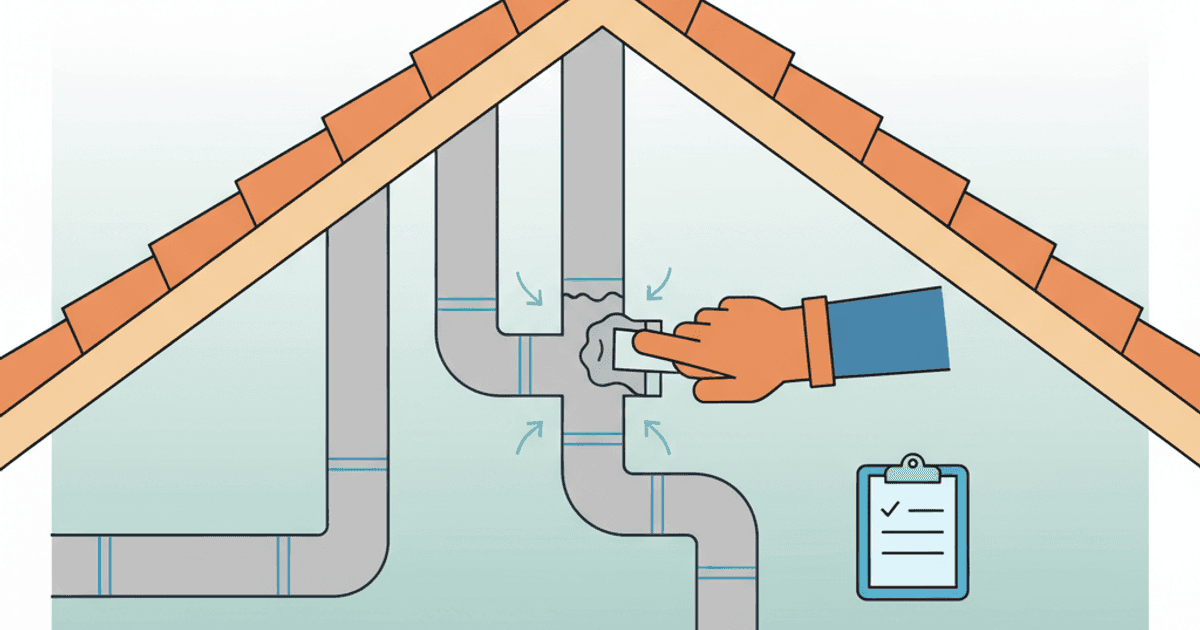
Learn what duct sealing fixes, what it costs, and the questions that separate real work from spray-and-pray.
Calculate what a 1500W space heater costs per day at your electric rate, then see cheaper comfort fixes that reduce the need for it.
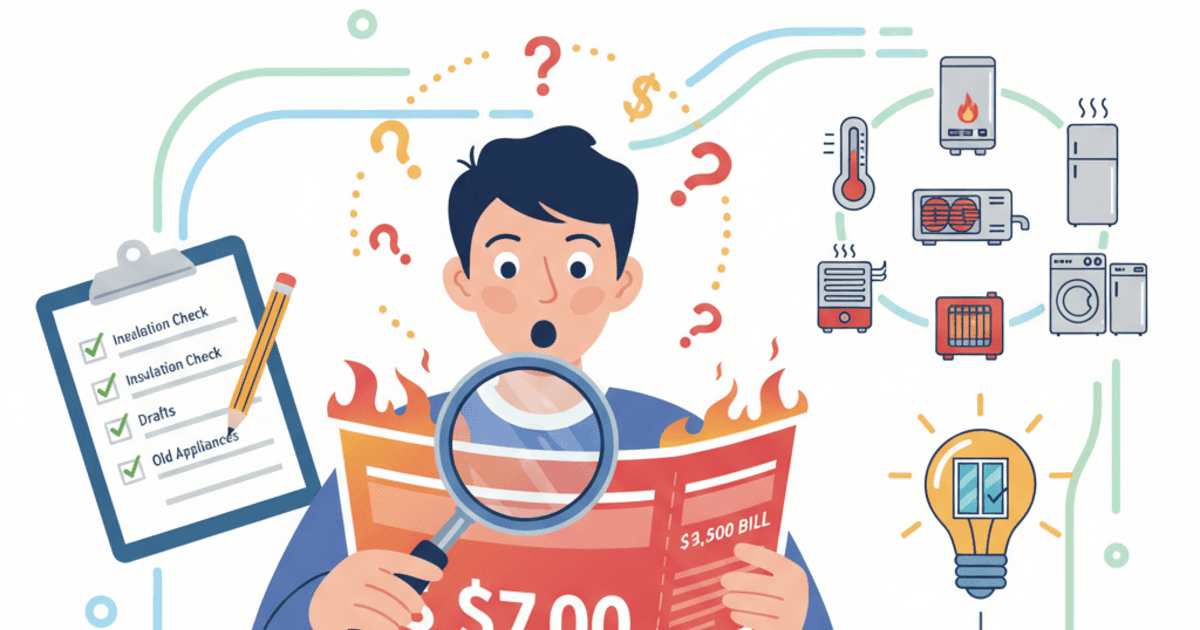
Why your energy bill is so high, even all of a sudden. Rank the real culprits, run a 20-minute diagnosis with your meter and bill, and fix the right thing first.