Blog
Repair a Double Pane Window
Find out when a fogged or cracked double-pane window needs a new sealed glass unit, what the repair costs, and when the frame should be replaced too.
With haze trapped behind the glass, the usual way to repair a double pane window is to replace its sealed insulated glass unit and keep the sash and frame, provided both are still sound.
That distinction can save hundreds of dollars. A standard professional double-pane glass replacement runs about $181 to $413 in Angi's 2026 data, while ENERGY STAR says a complete installed replacement window starts near $400 and can exceed $1,600 for premium work.
On this page
Read the symptom before ordering glass
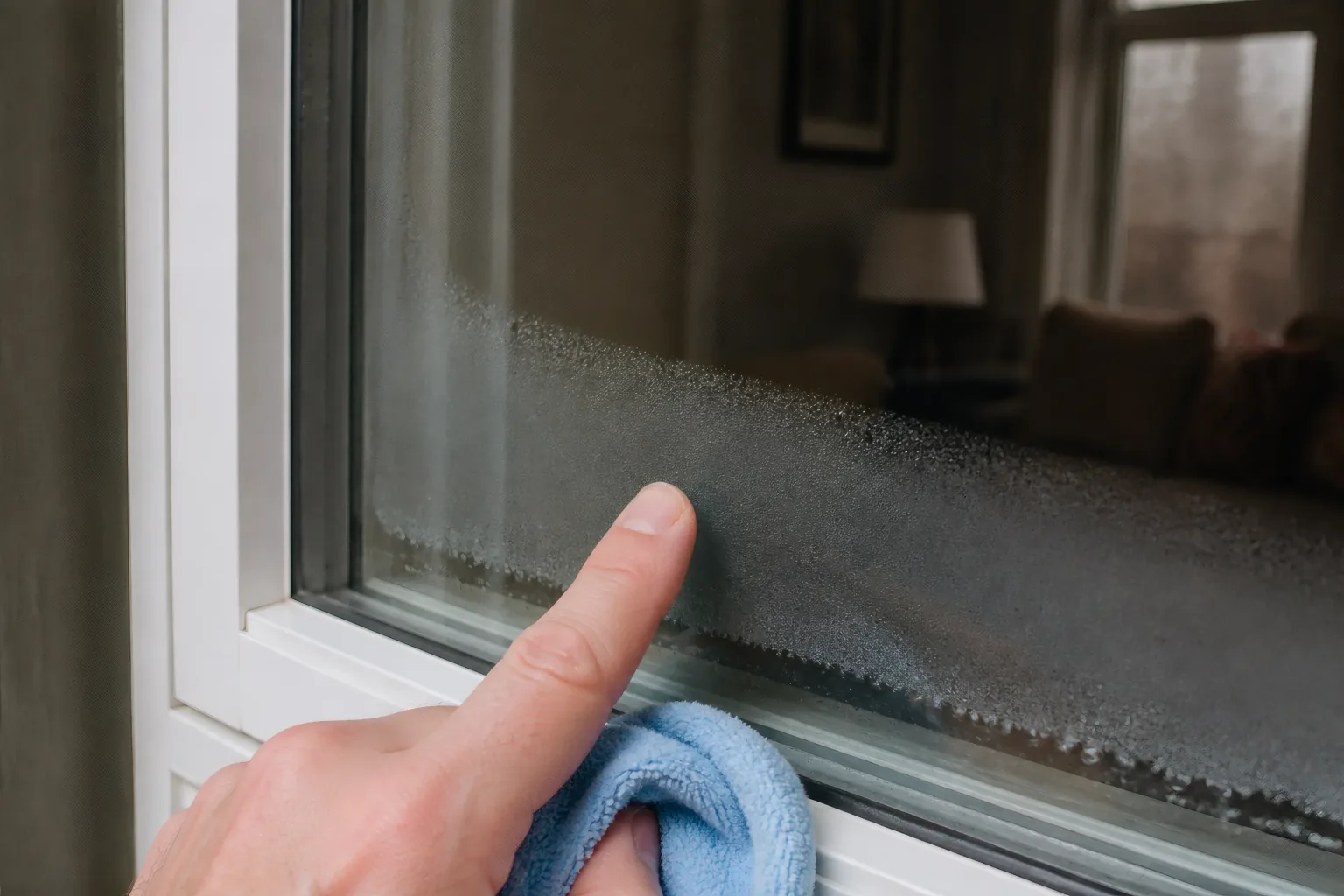
Run a clean cloth across both accessible glass surfaces. If the mark wipes away, you have surface condensation or dirt. If it stays suspended inside the window, the sealed unit has failed.
| What you see | Likely cause | Sensible next move |
|---|---|---|
| Water on the room-side surface | Indoor humidity meeting cold glass | Dry it, use exhaust fans, and check indoor relative humidity |
| Fog, beads, or a milky film between panes | Failed IGU edge seal | Replace the IGU; keep a sound sash and frame |
| Crack in either pane | Impact, stress, or thermal break | Clear the area and have the complete IGU replaced |
| Draft at the moving sash | Worn weatherstripping or poor adjustment | Repair the seal and hardware first |
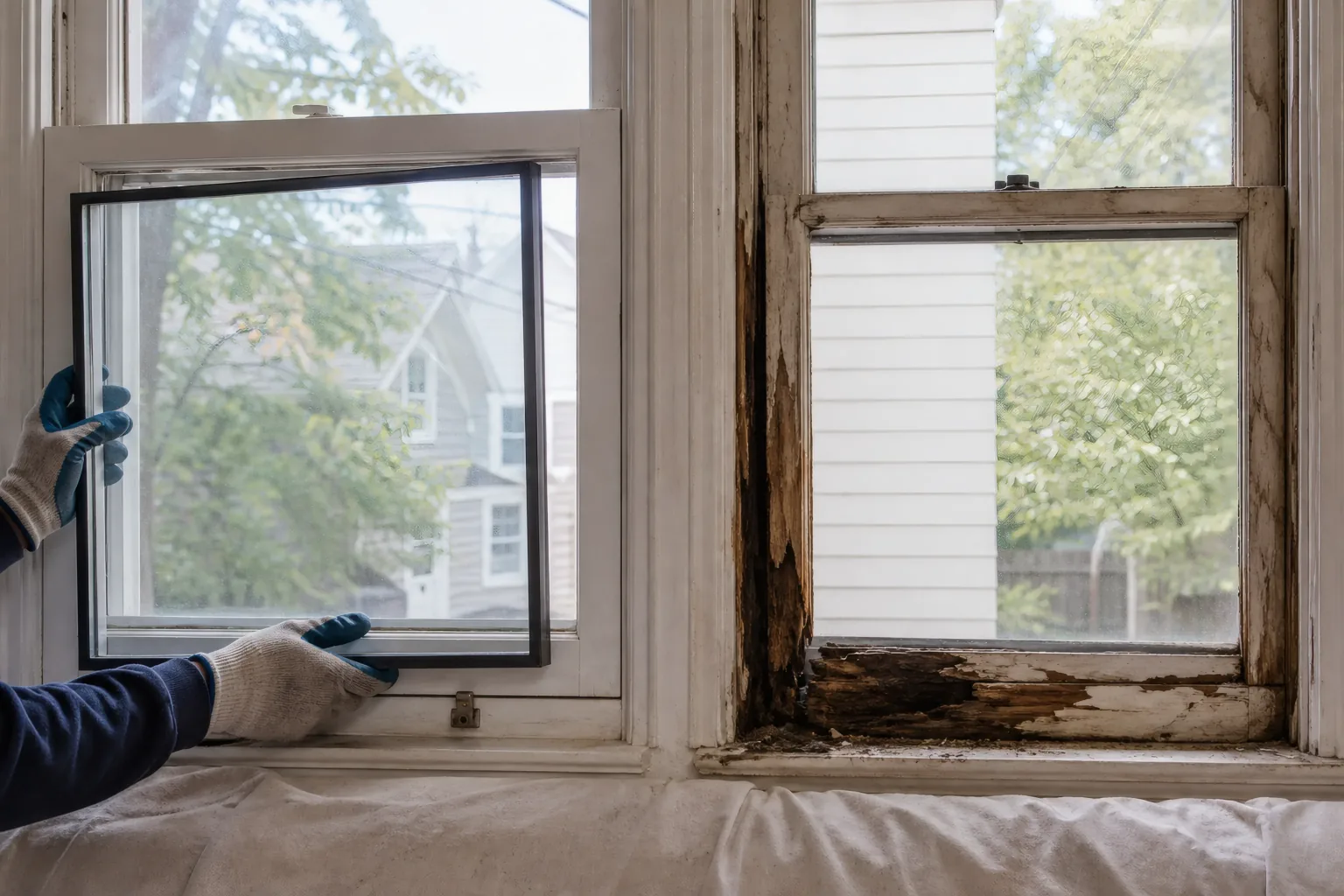
| Soft wood, dark water tracks, or a frame that has moved | Ongoing water damage | Find the water path; price full-frame replacement and wall repair |
A small amount of exterior condensation can be normal on an efficient window during a cool, still morning. Moisture between panes is different. It cannot be reached from either side.
What a proper glass-only repair includes
Double-pane glass is one manufactured part. Two sheets of glass sit around a spacer, and a perimeter seal closes the cavity. DOE describes insulated glazing as hermetically sealed; low-e coatings and gas fills may be part of the original unit.
A glazier normally follows this sequence.
- Confirm the frame and sash are worth keeping.
- Measure width, height, overall glass thickness, spacer, coating, tint, grid pattern, and any required safety glass.
- Order a matching factory-sealed IGU. Custom glass often means a second visit.
- Remove stops or glazing beads without damaging them, lift out the failed unit, clean the pocket, and inspect the drainage path.
- Place the new unit on setting blocks, restore the approved glazing tape or sealant, reinstall the stops, then check operation and weep holes.
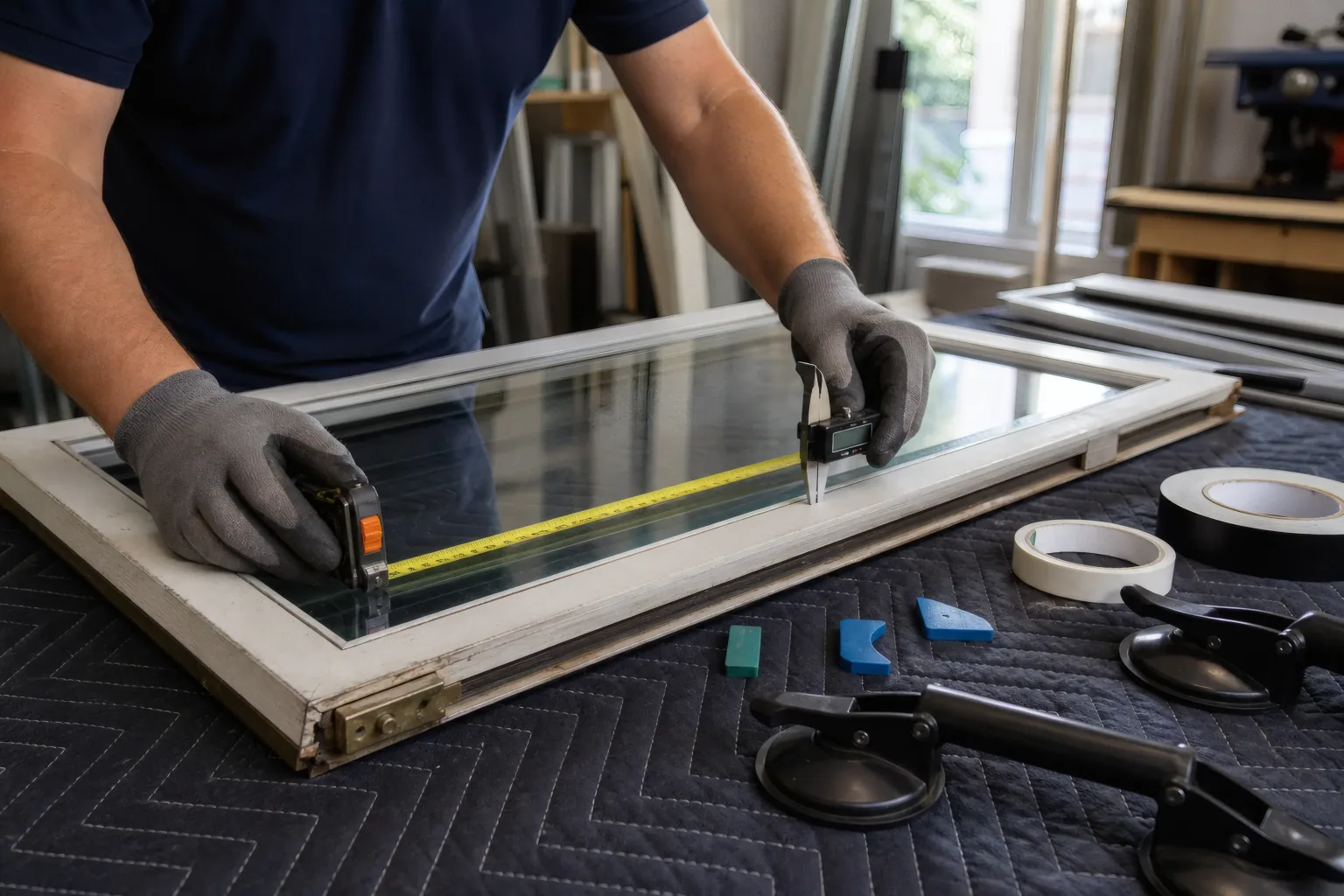
The useful field note is reproducible. Photograph the etched corner mark, spacer, grids, and every measurement before requesting quotes. A tape measure through the glass cannot reveal its full build. The shop may need to remove a glazing bead or inspect the manufacturer's records.
Large or safety glass belongs with a professional
Use a glazier for overhead glass, large fixed panes, upper-story exterior work, laminated units, and glazing beside doors, tubs, stairs, or floors where local code may require safety glass. A cracked pane can release suddenly even when most of it still looks stable.
Repair, defog, or replace the window
| Choice | What it changes | Choose it when | What it leaves unresolved |
|---|---|---|---|
| New IGU in the old sash | Panes, spacer, and sealed cavity | Glass is fogged or cracked; sash and frame are healthy | Old hardware and weatherstripping remain |
| Defogging or venting | Dries or vents the cavity | Appearance is the only goal and the limits are understood | The original seal, gas fill, and rated performance are not restored |
| Sash replacement | Moving sash plus its glass | The sash is warped or unavailable as separate glass work | Existing outer frame stays |
| Full-window replacement | Sash, frame, and glass | Rot, water entry, poor operation, or a planned performance change | Requires careful flashing, air sealing, trim, and often more disruption |
I would skip a drill-and-vent defogging quote when energy performance matters. It can clear the view, but it does not recreate the sealed assembly DOE describes. Ask the contractor, in writing, whether the quote supplies a new IGU or merely treats the moisture.
Full replacement earns its price when a screwdriver sinks into the sill, the sash binds because the frame has shifted, water has stained the rough opening, or repeated repairs have become a collection of weak parts. ENERGY STAR also points to degraded sills, inoperable windows, and persistent leakage as reasons to replace.
Compare quotes without losing the details
Ask each glass shop to price the same scope. A useful request includes the following.
- A new sealed IGU, with the warranty term shown.
- Match the existing glass. Low-e surface, tint, grids, spacer color, and tempered or laminated designation should appear on the order.
- Removal, disposal, setting blocks, glazing materials, and reinstalling stops.
- Who pays labor if the replacement unit fails under warranty.
- One more thing: how rainwater drains from that exact sash after the work.
For full-window bids, demand a separate explanation of flashing, insulation around the rough opening, interior and exterior trim, and wall damage. A cheap insert placed over wet or rotted framing hides the expensive part.
Keep the energy claim in proportion
Replacing one failed IGU restores that unit's sealed cavity and clears the view. It will not cure a draft coming through sash weatherstripping or the joint between the window and wall.
ENERGY STAR says replacing old single-pane windows with certified windows can lower household energy bills by up to 13% on average. The gain from replacing one failed double-pane IGU is much smaller and varies with climate, glass area, and the rest of the home. For draft hunting, a blower door test or a broader home energy audit can expose leaks that glass work misses.
An older single-pane window with a healthy frame has another option. ENERGY STAR low-e storm windows cost roughly one-half to one-quarter as much as common replacement windows and preserve the original unit. Compare that route in the windows upgrade hub before approving a whole-house sale.
A short inspection checklist
- Wipe both reachable glass faces and confirm where the moisture sits.
- Press the frame gently. Soft wood or fresh staining changes the scope.
- Open, close, lock, and inspect the weatherstripping.
- Find the manufacturer label or etched glass mark, then check warranty coverage.
- Photograph the window straight on and from the side. Include one photo with a tape measure.
- For a cracked pane, keep people away and call a glazier; do not pry glazing beads while the unit is under stress.
- Get an IGU-only price and a full-window price when the sash condition is uncertain.
Sources & further reading
- Window Types and Technologies — U.S. Department of Energy
- High Performing Windows or Storm Windows — ENERGY STAR
- Residential Windows, Doors, and Skylights — ENERGY STAR
- 2026 Window Glass Replacement Cost — Angi
- Double Pane Window Glass Replacement and Repair — Glass Doctor
- How to Replace Window Glass — The Home Depot
Frequently asked questions
Can a double-pane window be repaired without replacing the frame?+
Yes. If the sash and frame are square, dry, and sound, a glazier can replace the failed insulated glass unit while keeping the rest of the window.
Can you replace only one pane of a double-pane window?+
No, not while preserving the window's insulating seal. The two panes, spacer, and edge seal form one factory-made insulated glass unit, so a crack or seal failure calls for replacement of that whole glass unit.
How much does double-pane window glass repair cost?+
Angi's 2026 data puts professional replacement of a standard double-pane glass unit at about $181 to $413. Large panes, grids, low-e coatings, tempered or laminated glass, difficult access, and custom shapes can raise the quote.
Does drilling a foggy window restore its insulation?+
No. A defogging service may improve the view by venting moisture, but it does not rebuild the original hermetic edge seal or restore lost insulating gas.
When should I replace the whole window?+
Replace the whole assembly when the frame is soft or rotted, water has reached the wall, the sash no longer fits or operates, several parts have failed, or the opening needs a code or performance upgrade.
Try the companion tool
This post links to an interactive tool built for this topic. Open it to see numbers tailored to your home.
Open the toolGet practical energy tips
Join homeowners getting practical tips on cutting energy bills and staying comfortable.
Practical tips only. Unsubscribe anytime.
Read this next
Related guides selected by topic overlap and upgrade path.
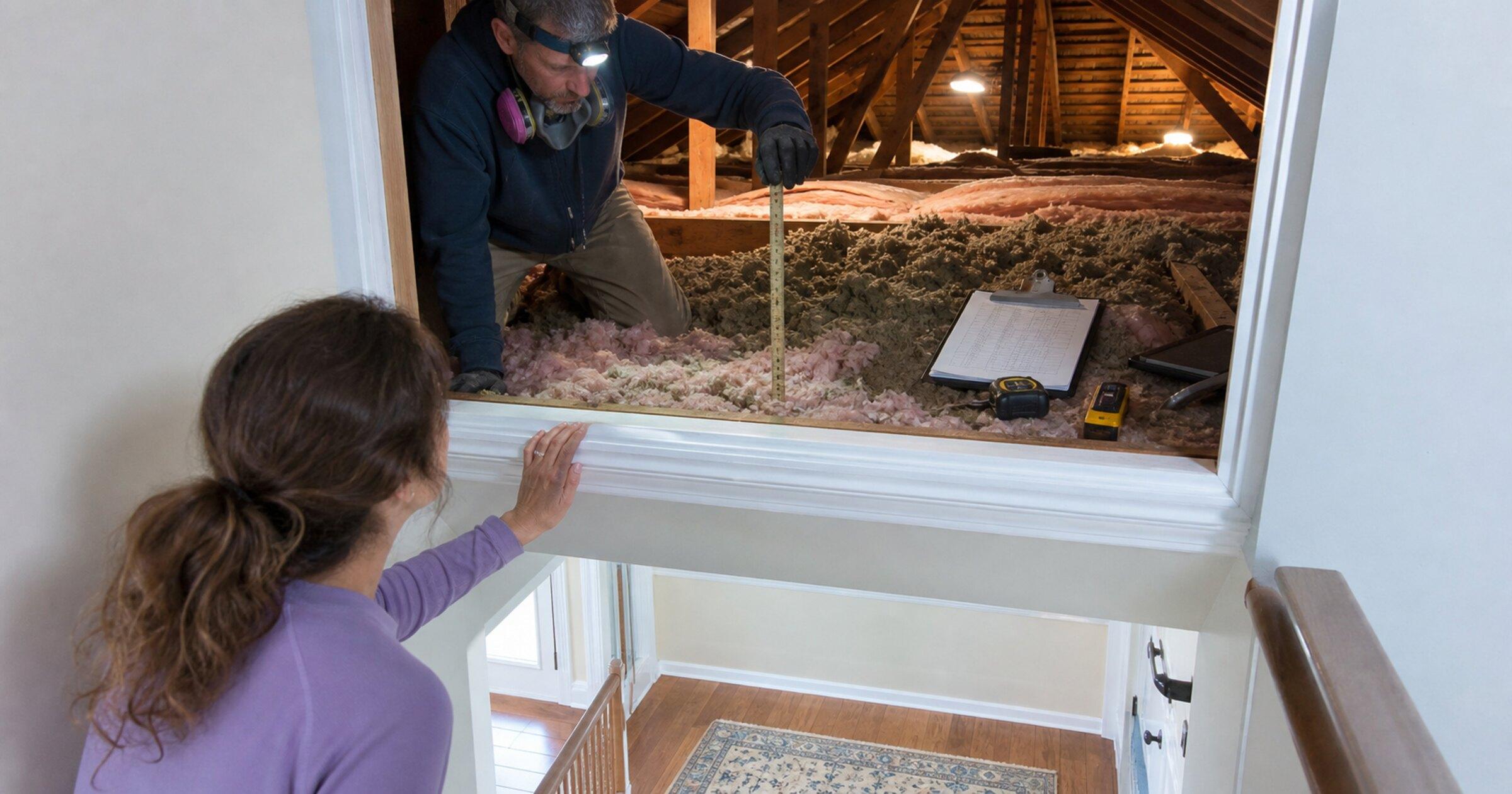
Attic insulation costs about $1,500 to $3,500 for a typical home, or $1.50 to $4 per sq ft. Compare 2026 prices by material, size, R-value, and scope.

Air duct replacement costs $1,400–$7,000 (avg ~$3,500), or about $9–$25 per linear foot. See pricing by home size, material, and when sealing beats replacing.
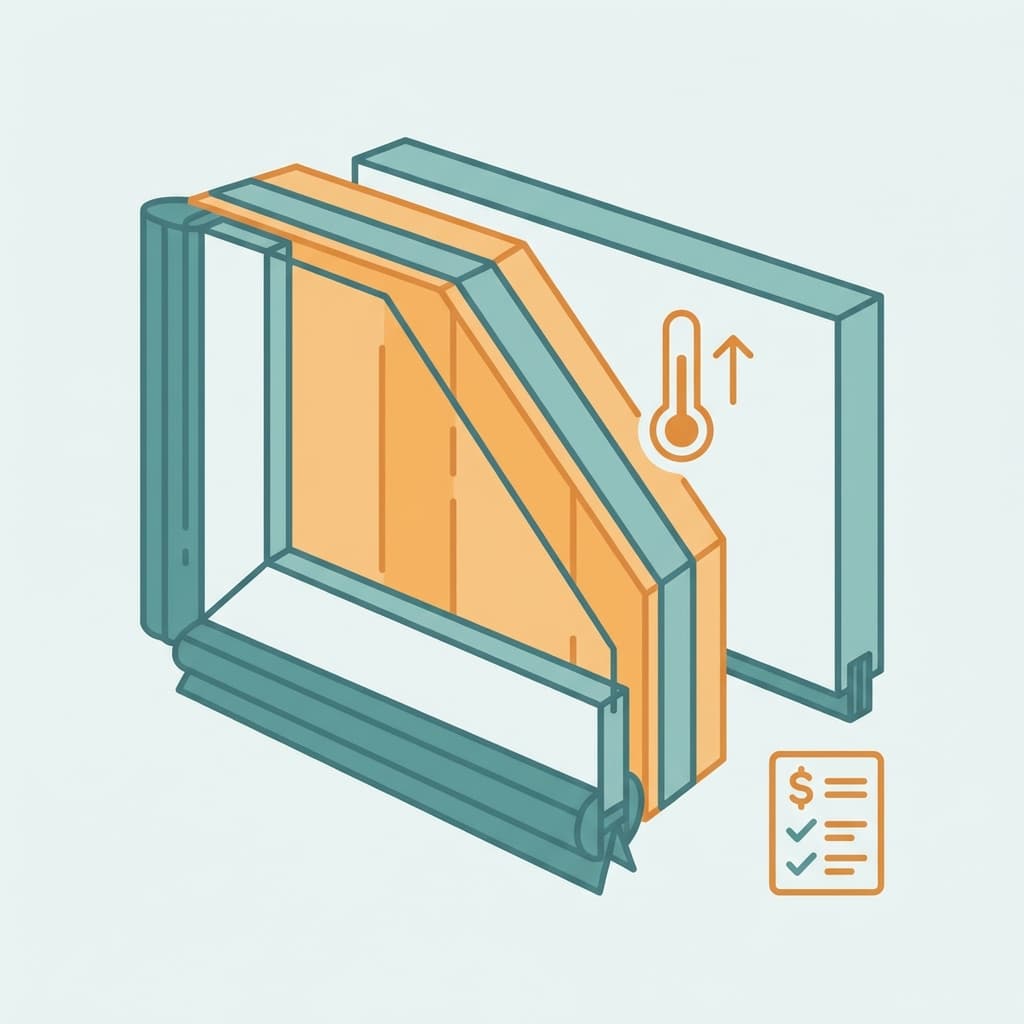
A practical breakdown of garage door insulation costs: DIY kits vs retrofits vs a new insulated door, what actually improves comfort, and a checklist to compare options.
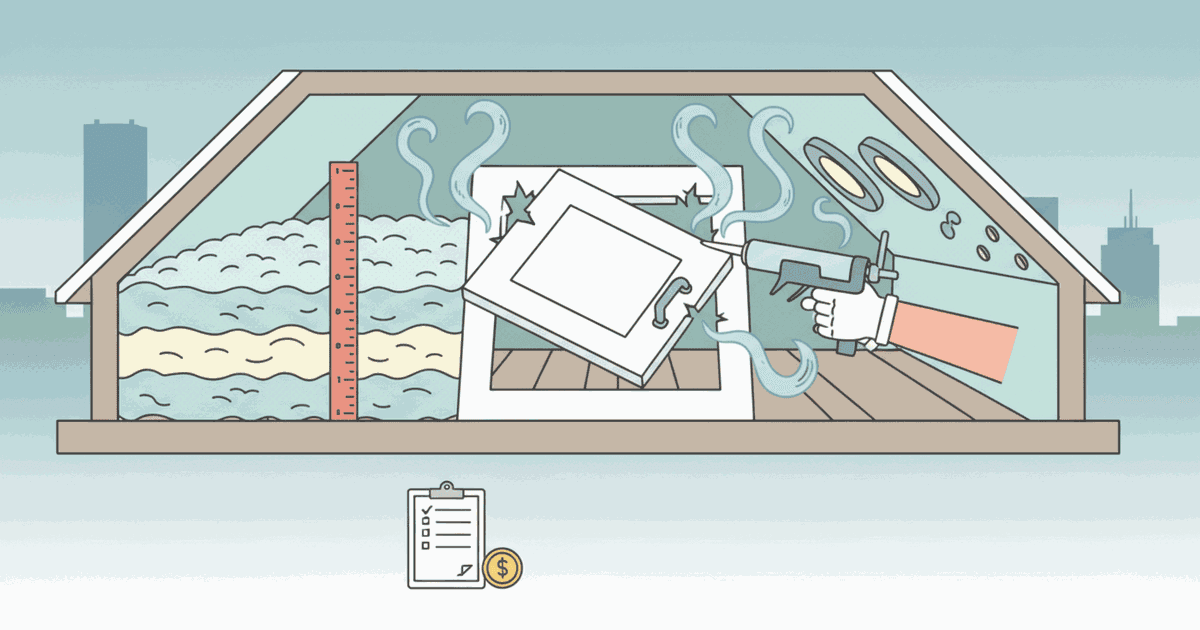
What attic air sealing and blown-in insulation cost in Boston in 2026, how to read a quote, plus Mass Save rebates and the 0% HEAT Loan. Sanity-check pricing before you sign.