Blog
HVAC 5000 Rule
The HVAC 5000 rule multiplies equipment age by repair cost. Use the result as a prompt to compare quotes, not an automatic replacement decision.
The HVAC 5000 rule says to multiply equipment age in years by the repair quote in dollars: a result above 5,000 is a reason to compare replacement, while a lower result favors considering repair. It is a rule of thumb, not a safety standard or a prediction of remaining life.
For example, a 10-year-old AC with a $600 repair scores 6,000. That does not mean you should automatically replace it. First confirm the diagnosis, warranty coverage, and price of a comparable replacement.
Compare replacement timing
On this page
- How to calculate the $5000 rule for HVAC
- Why the HVAC 5000 rule can give the wrong answer
- Repair or replace air conditioner: compare the whole decision
- The 50 percent rule versus the $5000 rule
- Replace compressor or whole unit?
- Does old refrigerant force HVAC replacement?
- Furnace repair decisions: safety comes before the formula
- Compare HVAC repair and replacement over the same period
- Use the HVAC $5000 rule with a repair history
- Questions to ask when an HVAC replacement quote feels rushed
- What to do with your HVAC 5000 rule result
How to calculate the $5000 rule for HVAC
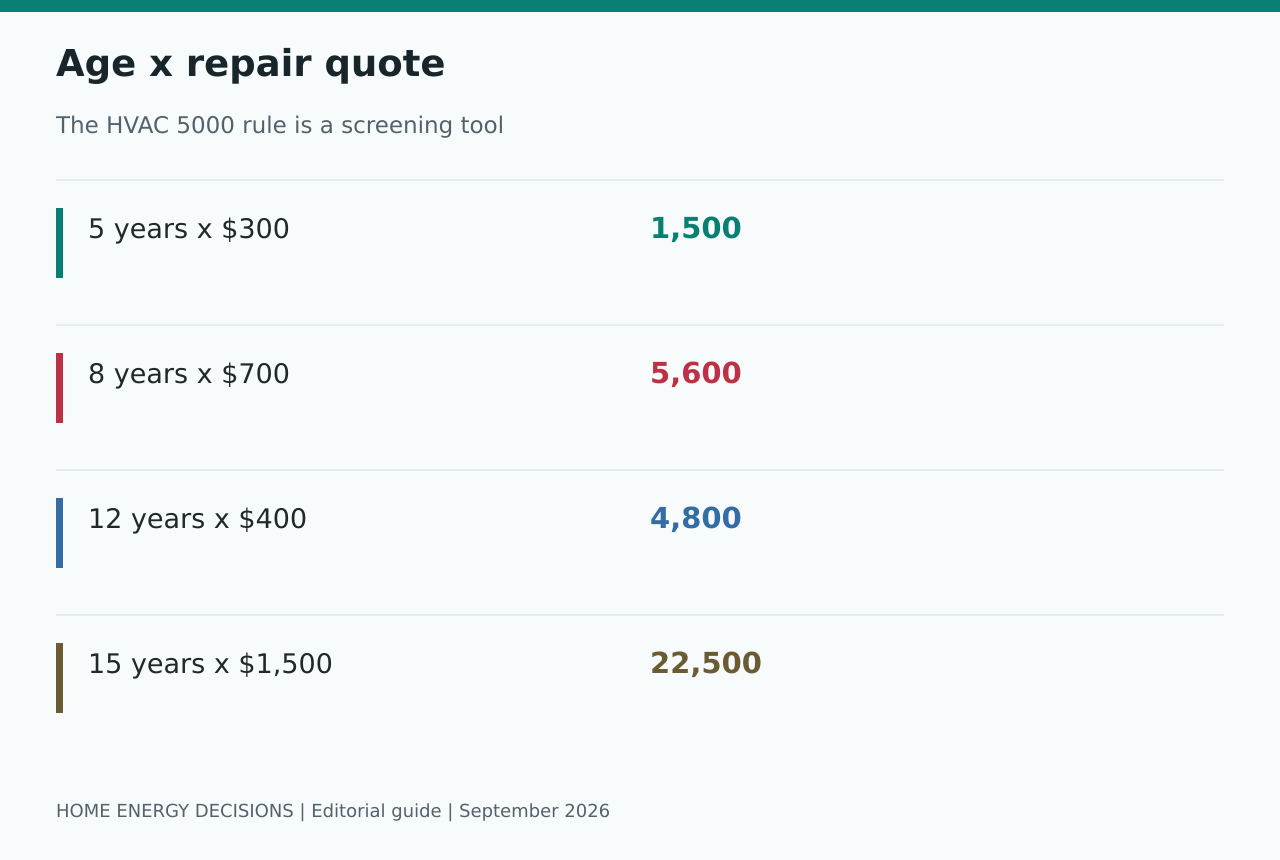
Age x out-of-pocket repair cost = screening score.
Use the age of the equipment being repaired. If the furnace is 18 years old but the outdoor AC is seven, do not use the furnace age to score a condenser repair.
Use a complete quote after confirmed warranty coverage. Include diagnostic charges only if they are part of the repair decision and not already unavoidable; do not count a credited service fee twice.
| Equipment age | Repair quote | Score | Sensible next step |
|---|---|---|---|
| 5 years | $300 | 1,500 | Investigate repair and warranty |
| 8 years | $700 | 5,600 | Compare options; not an automatic replacement |
| 12 years | $400 | 4,800 | Repair may still make sense |
| 15 years | $1,500 | 22,500 | Get a replacement quote and second diagnosis |
These are hypothetical examples, not a schedule of repair prices. The Baker Brothers explanation similarly treats the rule as one input alongside equipment condition and service history.
Why the HVAC 5000 rule can give the wrong answer
The threshold does not adjust for replacement prices, inflation, local labor costs, equipment quality, or your moving plans. It treats a repair that fixes a clear isolated fault like one that leaves a recurring problem unresolved.
Consider an eight-year-old system needing a $700 repair with a credible $12,000 replacement alternative. Its score exceeds 5,000, yet spending $12,000 may be difficult to justify if the repair is isolated and the rest of the system is sound.
The opposite can happen: a cheap repair on equipment with repeated failures may pass the rule but buy little reliability.
Our recommendation is to use 5,000 as a quote-comparison trigger, not a sales closing argument. A contractor should be able to explain the physical fault and likely consequences without leaning on a slogan.
Repair or replace air conditioner: compare the whole decision
Ask for the following in writing:
- The failed component and evidence supporting the diagnosis.
- The cause of failure and whether it damaged other components.
- Repair parts, labor, refrigerant, taxes, and warranty.
- A like-for-like replacement scope and any required related work.
- The cost of optional upgrades separately from necessary work.
- Expected downtime and availability of both parts and equipment.
Do not compare a bare outdoor-unit price with a full repair quote, or a premium heat-pump system with a basic AC repair without acknowledging the different service provided.
Check comfort and duct condition too. Replacing a functioning condenser will not necessarily fix a cold room above a garage or an undersized return.
The 50 percent rule versus the $5000 rule
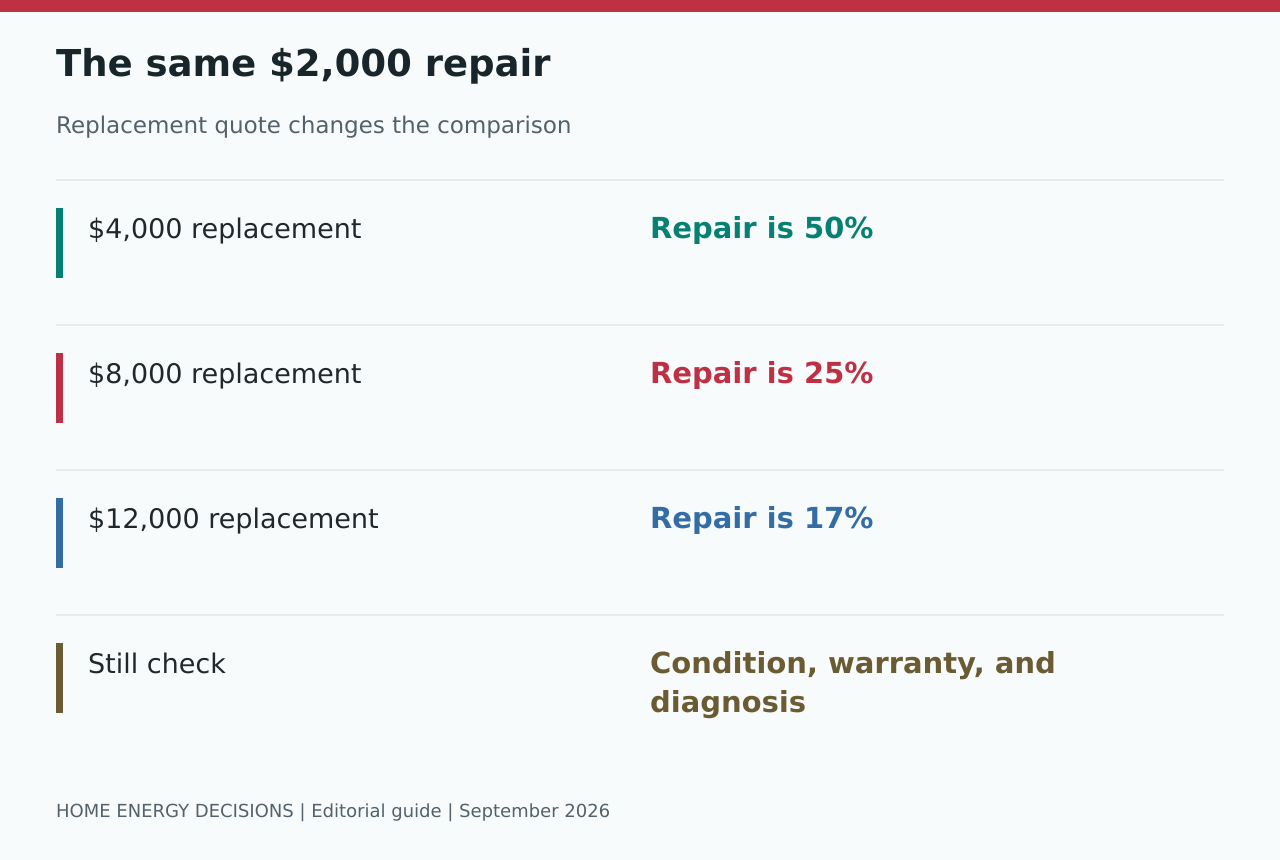
The 50 percent rule compares repair cost with replacement price. A $2,000 repair against an $8,000 replacement is 25%; against a $4,000 replacement it is 50%.
That makes it more sensitive to today's actual quotes, but it still ignores reliability and remaining useful life. Neither rule guarantees that replacement will save money.
Replace compressor or whole unit?
A compressor failure deserves a deeper evaluation than a routine control replacement. Ask whether the compressor is under parts warranty and what remains payable for labor, refrigerant recovery, evacuation, commissioning, and related components.
Also ask why it failed. Electrical problems, contamination, refrigerant issues, and installation faults may need correction for the replacement part to last.
A whole-unit or system replacement may be reasonable when the equipment is old, parts are difficult to obtain, major components are also deteriorating, or repair and replacement costs are close. It is not automatically required whenever a compressor fails.
A new outdoor unit must be compatible with the remaining equipment and refrigerant system. Have the contractor document the proposed match, efficiency rating, controls, and commissioning requirements.
Does old refrigerant force HVAC replacement?
No blanket rule says a functioning existing R-410A system must be discarded. EPA's HFC phasedown FAQs distinguish servicing existing equipment from installing new systems.
Availability and cost of refrigerant can affect repair economics, but a phase-down is not itself a diagnosis. Ask for the exact refrigerant, leak location, quantity needed, and whether the quote fixes the leak rather than merely topping up repeatedly.
Do not attempt refrigerant work yourself or accept unapproved substitute refrigerants. A qualified technician must handle recovery and compatible equipment selection.
Furnace repair decisions: safety comes before the formula
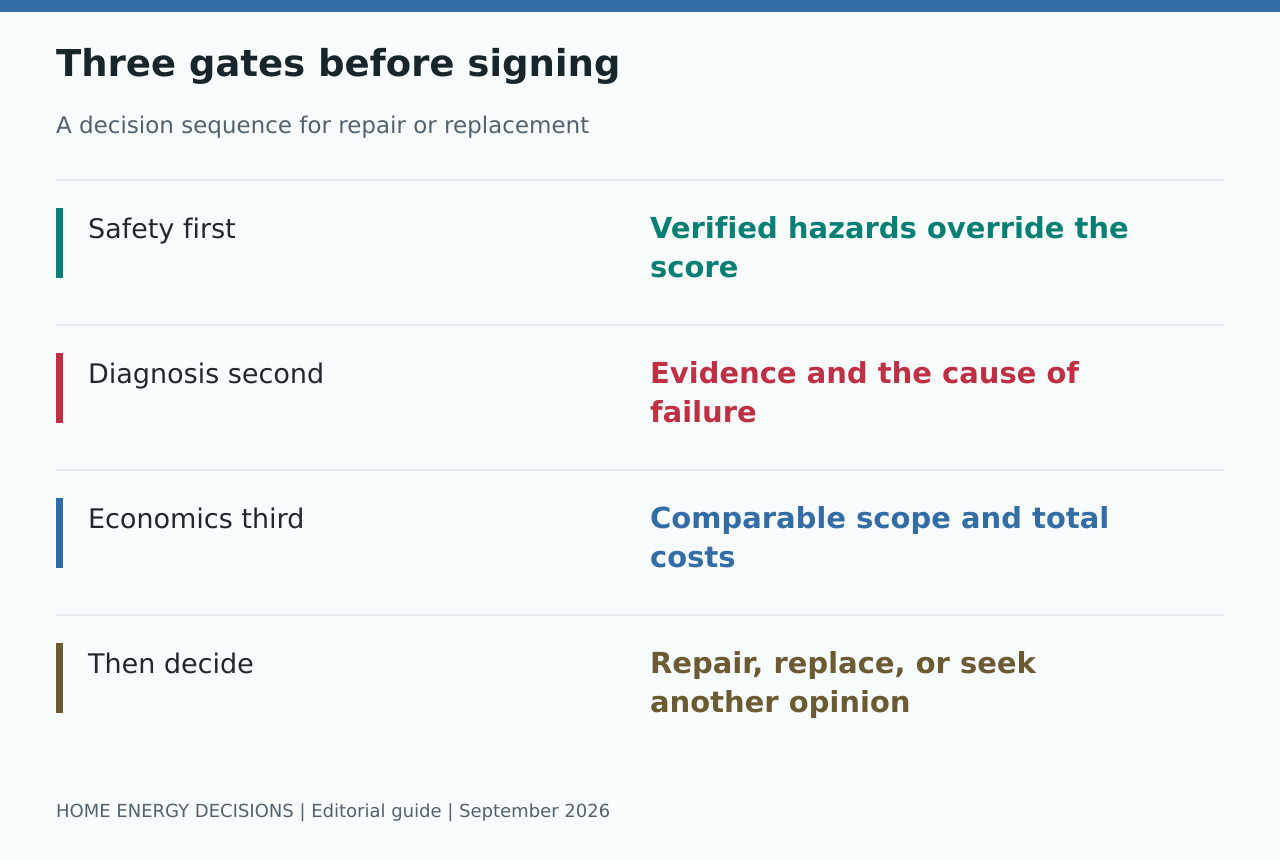
A suspected heat-exchanger defect, gas leak, combustion problem, or carbon-monoxide alarm is not something to score with age times price. Follow emergency instructions and keep unsafe equipment out of operation until properly assessed.
For a non-emergency costly diagnosis, request documentation and consider a second qualified opinion. The decision should distinguish a verified unsafe condition from a vague warning that old equipment "could fail."
For ordinary repairs, review service history and warranty before committing. Two cheap visits can cost more in disruption than one durable repair, but a single failed igniter does not prove the entire furnace is uneconomic.
Compare HVAC repair and replacement over the same period
Use a simple five-year worksheet, then test assumptions:
| Cost over five years | Repair scenario | Replacement scenario |
|---|---|---|
| Immediate payment | Repair quote | Installed replacement quote |
| Future repairs | Separate uncertainty allowance | Uncovered service and labor allowance |
| Energy | Current estimated annual use x five | Supported expected annual use x five |
| Finance | Interest on repair if financed | Interest and fees, not just monthly payment |
| Timing risk | Possible later replacement | Installation disruption now |
Do not present a guessed future-repair allowance as a forecast. Run a low and high case. Avoid counting the full replacement cost twice in the same scenario.
Suppose replacement costs $8,000 more than repair and saves $200/year in energy. Energy-only recovery of that premium takes 40 years before financing. Reliability or comfort may still justify replacement, but energy savings alone do not in that example.
If a heat pump is an option, compare heat pump installation cost with your heating and cooling needs. Keep shell improvements and duct repairs separate so savings are not credited to two projects.
Use the HVAC $5000 rule with a repair history
An equipment history gives the screening score context. List the date, diagnosed fault, repair price, and warranty for each visit you can document. Separate scheduled maintenance from breakdowns; an annual service appointment is not the same thing as an emergency failure.
Look for repeated descriptions of the same unresolved complaint. If three invoices refer to poor cooling, ask whether they represent three independent faults or an original problem that was never corrected. The answer matters more than adding every old invoice to today's repair quote.
Money already spent is not recoverable by replacing the system. Use past spending as evidence about reliability and the quality of previous diagnoses, not as an extra charge that replacement somehow refunds. The decision in front of you concerns the costs and service you can reasonably expect from this point onward.
A useful record includes:
- Model and serial numbers for each major piece of equipment.
- Installation date, or the best documented estimate available.
- Written diagnoses and completed work from earlier visits.
- Any remaining parts or labor warranty and its conditions.
- Complaints that persisted after previous repairs.
- The current itemized repair proposal and replacement alternative.
Send the same information to a second contractor when requesting another opinion. Otherwise, different assumptions can make two recommendations look contradictory when they are actually answering different questions.
Questions to ask when an HVAC replacement quote feels rushed
Ask the contractor to separate urgency from preference. Is the equipment unsafe, unable to operate, likely to need another visit, or simply less efficient than a new model? Those are not interchangeable reasons to replace it, and the written recommendation should make the distinction clear.
Request the repair alternative even if replacement is the contractor's preferred route. If repair is unavailable, ask whether the reason is parts availability, compatibility, safety, or company policy. A clear explanation helps you decide whether another opinion could change the available options.
For financing, compare the total scheduled payments, upfront payment, and fees with the cash price. A lower monthly payment can reflect a longer repayment period rather than a cheaper system. Keep financing costs separate from any claimed energy savings so neither number hides the other.
Finally, define what you value beyond the arithmetic. You might reasonably pay more to avoid another winter breakdown, or choose a documented repair while planning a later renovation. Our view is that either choice can be defensible when the assumptions are explicit. The $5000 rule is useful only when it starts that conversation rather than ending it.
What to do with your HVAC 5000 rule result
If the score is low, confirm repair scope, warranty, and the cause. If it is high, gather a comparable replacement quote rather than assuming the answer.
Keep photos of equipment labels, service records, and itemized quotes. Ask what must happen now, what can wait, and what changes the recommendation.
Use the Upgrade Timing Planner for the timing decision. The goal is a reliable system at a defensible total cost, not winning an argument with a round number.
Try the companion tool
This post links to an interactive tool built for this topic. Open it to see numbers tailored to your home.
Open the toolGet practical energy tips
Join homeowners getting practical tips on cutting energy bills and staying comfortable.
Practical tips only. Unsubscribe anytime.
Read this next
Related guides selected by topic overlap and upgrade path.
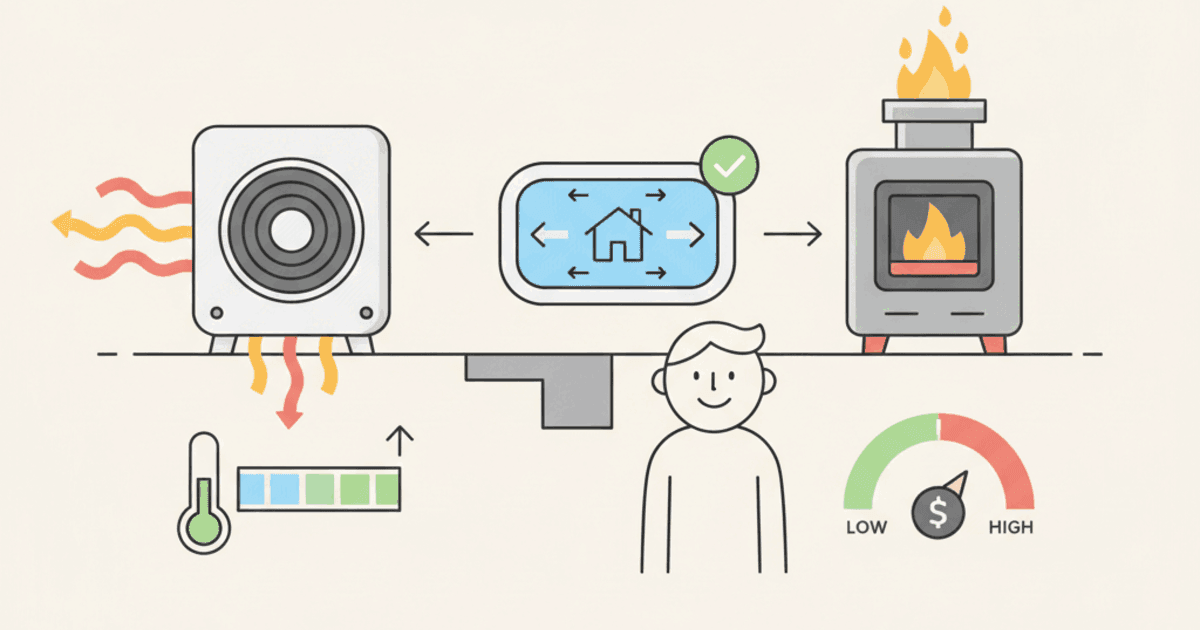
How a dual-fuel (hybrid) heat pump and gas furnace work together, how to set the switchover temperature from your electric and gas rates, the install cost premium, and when dual-fuel beats all-electric or all-gas. Updated for 2026.
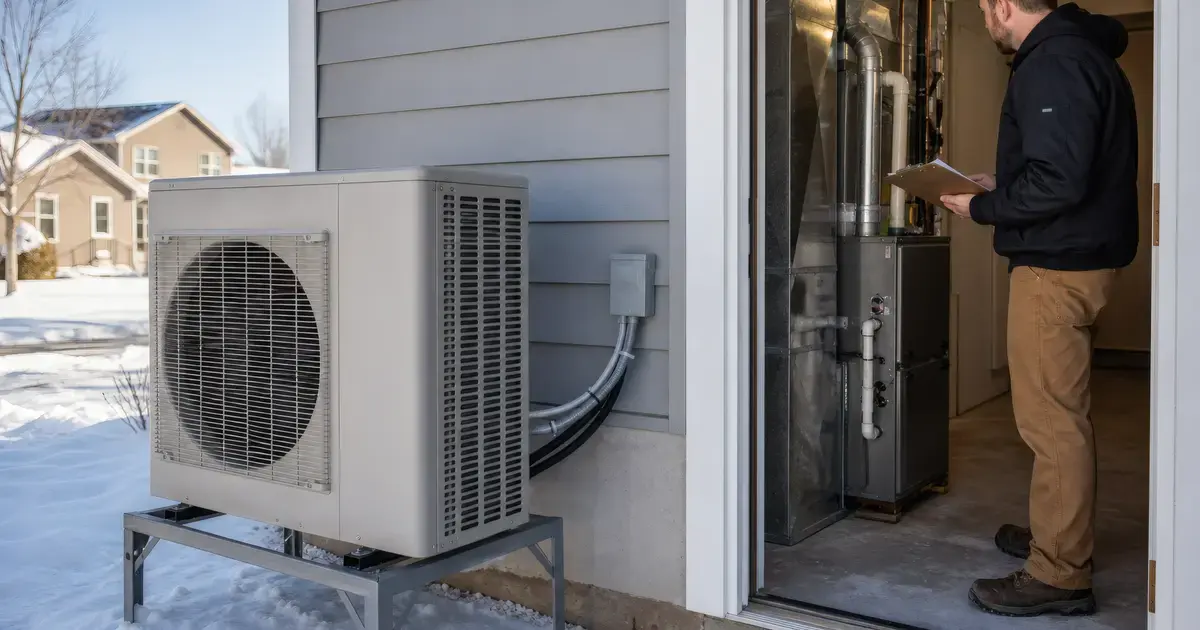
Compare heat pump and furnace costs, cold-weather performance, comfort, sizing, backup heat, and quotes using your own home and utility rates.
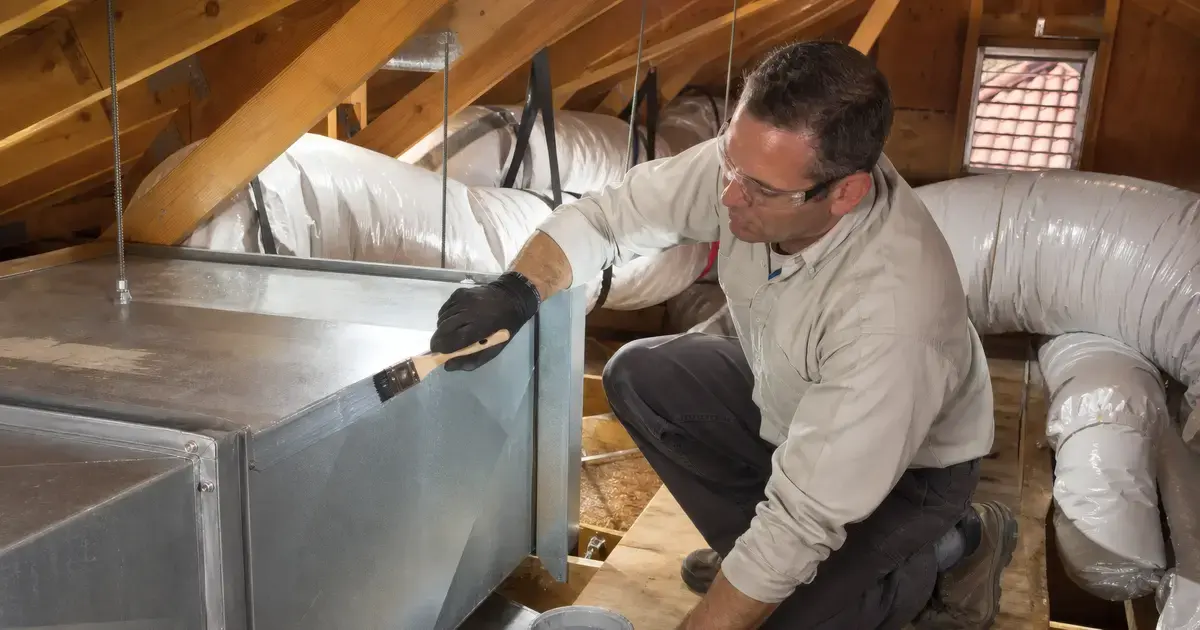
Duct sealing closes leaks at plenums, branches, boots, and returns. Learn which materials work, when DIY is safe, and what a measured quote should include.
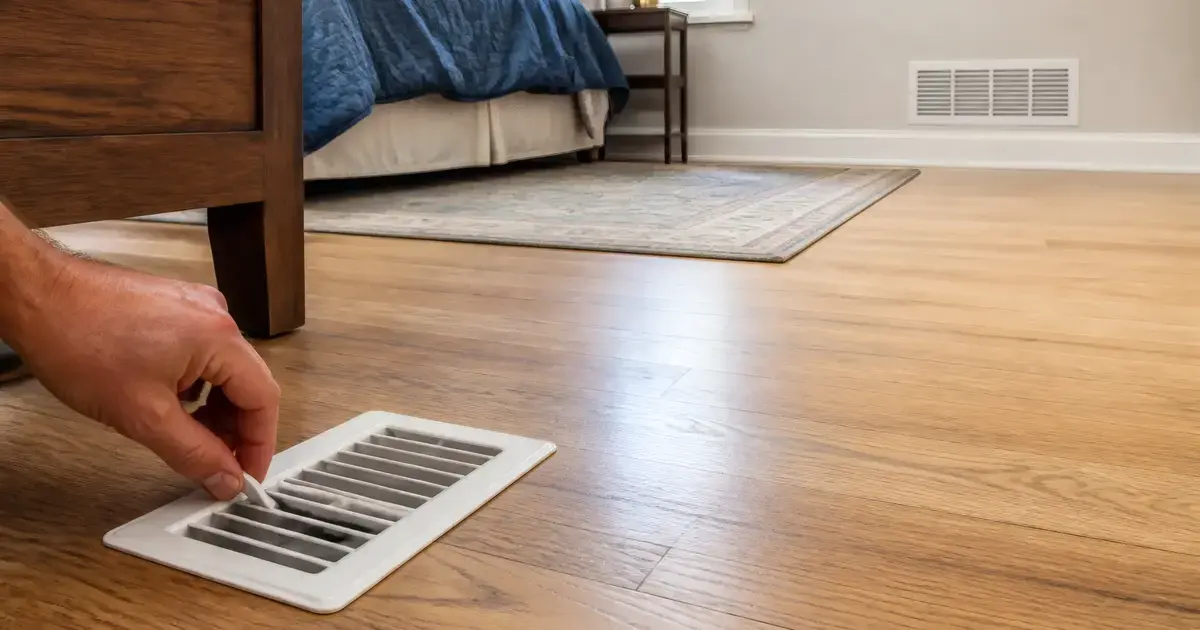
Is it OK to close air vents? Learn what one closed register changes, why several can raise duct pressure, and how to fix an uneven room safely.