Blog
Why Is My Electric Bill So High in Winter
Winter electric bills rise from heating demand, backup heat, space heaters, rates, and longer billing periods. Separate the causes before spending on upgrades.
Why is my electric bill so high in winter? Electric heating, heat-pump backup heat, portable heaters, higher rates, and longer billing periods are the first things to check. Compare kWh per day before assuming an appliance is broken.
If dollars rose but daily kWh did not, investigate rates and charges. If daily kWh rose sharply, match the increase to weather, heating runtime, and new loads. A bill is evidence to unpack, not proof that you need new HVAC.
Break down my bill
On this page
- High winter electric bill: separate price from usage
- What if the meter reading was estimated?
- Heat pump electric bill high in winter
- Auxiliary heat versus emergency heat
- Cost of space heaters on a winter electric bill
- Why is my electric bill high with gas heat?
- Electric bill doubled for no reason: find the timing
- How to lower winter electricity use without guessing
- When to call the utility or an HVAC technician
- Build a worksheet for an unusually high winter electric bill
- Check whether winter electricity savings actually happened
- What should a normal winter bill be?
High winter electric bill: separate price from usage
Put last month's bill, the current bill, and the same winter period last year together. Write down billing dates, kWh, actual or estimated reading, supply rate, variable delivery rate, fixed fees, and any previous balance.
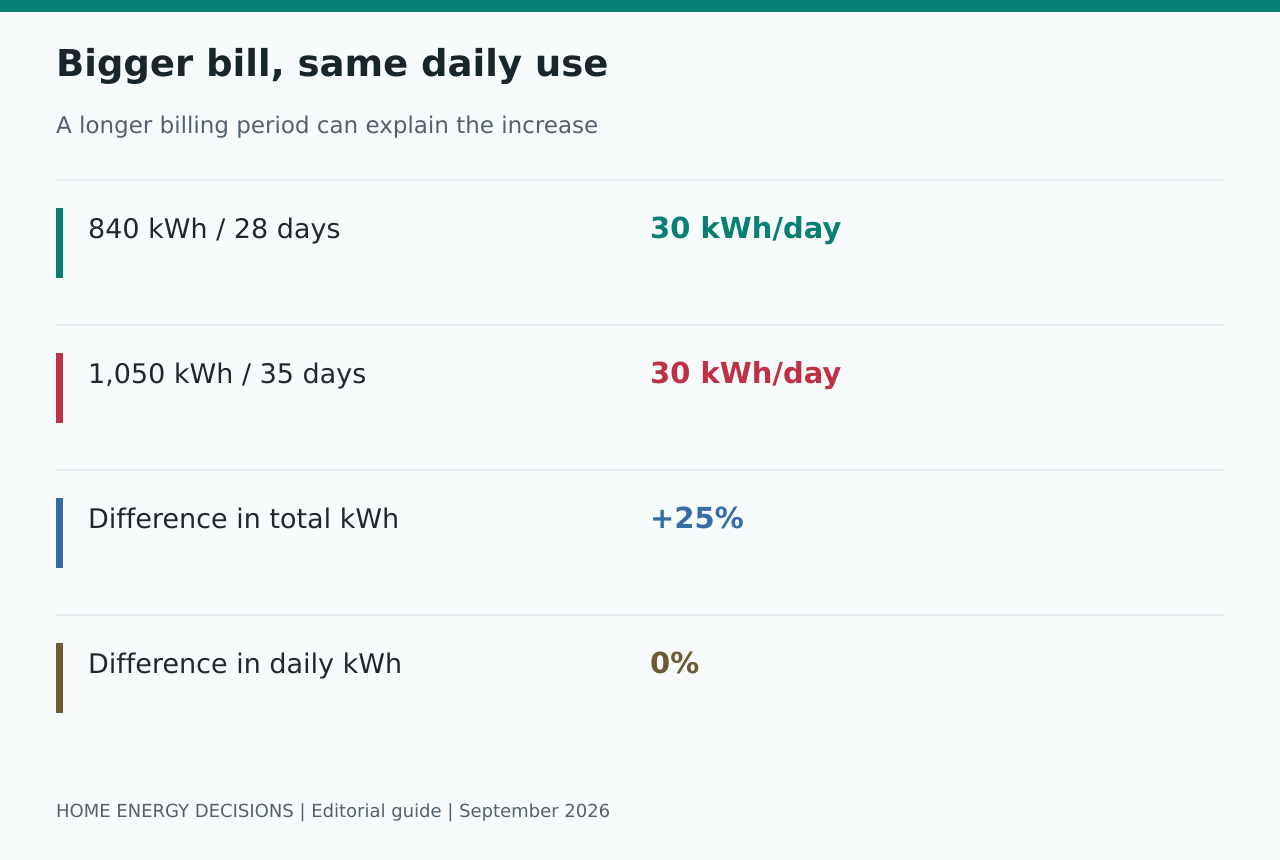
Calculate kWh / billed days. That normalizes a 35-day bill against a 28-day bill.
| Example bill | Billed days | Electricity | Daily use |
|---|---|---|---|
| Earlier period | 28 | 840 kWh | 30 kWh/day |
| Current period | 35 | 1,050 kWh | 30 kWh/day |
Consumption looks 25% higher, but the household used electricity at the same daily rate. The extra days explain the difference.
At $0.20/kWh, the variable energy charge rises from $168 to $210. A simultaneous rate increase to $0.24/kWh would make the current period $252 before fixed fees. More days and higher prices can combine.
What if the meter reading was estimated?
An actual read after earlier estimates can produce a catch-up charge. Ask the utility which dates and readings produced the adjustment. Check the meter identifier against your account, especially in multi-unit buildings.
Keep a record of your call and ask for the rate schedule and interval data. Do not open or tamper with the meter.
Our editorial preference is to finish this bill check before shopping for efficiency upgrades. Insulation cannot fix a prior balance, a billing adjustment, or a tariff change.
Heat pump electric bill high in winter
A heat pump moves heat; electric resistance backup produces it directly. As outdoor conditions change, the heating load rises and available heat-pump capacity or efficiency may change. Supplemental resistance heat can add a large load.
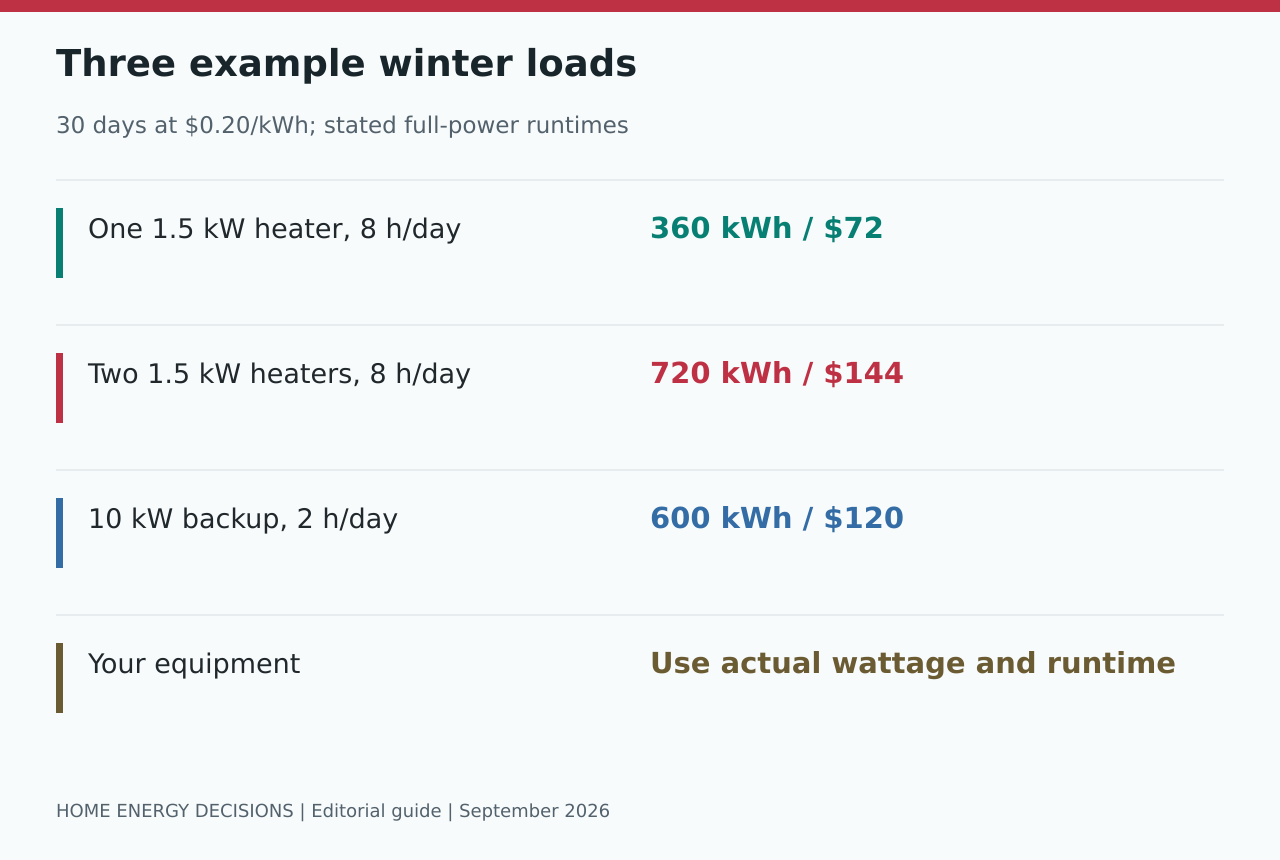
For an illustrative 10 kW strip heater running two hours per day, that is 20 kWh/day, or $120 over 30 days at $0.20/kWh. This is not a claim about your strip size or runtime: check the equipment and thermostat records.
Auxiliary heat during a cold spell or defrost is not automatically a fault. Persistent operation in mild conditions, failure to maintain temperature, or a sudden new pattern merits service.
Do not disable backup heat indiscriminately. It may be needed to maintain safe indoor temperatures. Have a technician check controls, staging, airflow, and the equipment's intended operating limits.
Auxiliary heat versus emergency heat
Emergency heat settings can bypass the normal heat-pump operation on some systems. Do not use them as a routine way to heat faster. Follow the thermostat and equipment instructions.
Large setbacks followed by rapid recovery can trigger extra resistance heat in some installations. Try a suitable steady or modest schedule rather than assuming a large setback always saves. See winter thermostat settings.
Cost of space heaters on a winter electric bill
One 1,500-watt heater running eight full-power hours each day adds 360 kWh in 30 days. At $0.20/kWh, that is $72. Two add $144 if used identically.
A quiet device can be expensive when it makes heat for many hours. A small physical size does not mean small consumption. See how much a space heater costs to run for thermostat cycling and tariff examples.
If a heater patches one uncomfortable room, investigate the room itself. A cold bedroom above a garage can have insulation and airflow defects that a new whole-house system will not automatically solve.
Follow CPSC portable-heater guidance. Keep clearances, use a wall outlet, and turn the heater off before sleep or leaving.
Why is my electric bill high with gas heat?
A gas furnace still uses electricity for its blower and controls, but its fuel use appears on the gas bill. If the electric increase is large, look for supplemental heaters and other electric loads instead of attributing everything to the furnace.
Examples include electric water heating, EV charging, heat tape, well pumps, dehumidifiers, and a newly occupied home office. Compare both fuel bills when assessing a heating change.
Colder inlet water can increase water-heating demand. Longer showers or holiday visitors add more. A hot-water leak can add ongoing consumption; a failed element alone is not proof of excess use. Have a plumber or electrician diagnose faults rather than assuming every water-heater failure raises the bill.
Our heat pump versus gas water heater guide separates fuel costs when considering replacement.
Electric bill doubled for no reason: find the timing
Download hourly or half-hourly utility data if available. Look for the shape of the increase:
| Pattern | What to investigate |
|---|---|
| Overnight plateau | Heating, charging schedules, continuously running equipment |
| Coldest days dominate | Heating load, backup heat, thermostat behavior |
| Sharp scheduled blocks | EV charging, timed water heating, pumps |
| Constant new baseline | A load left running or a controls issue |
| Dollars rise without more kWh | Price, delivery charges, fees, adjustment |
These patterns narrow a search; they do not identify a specific appliance with certainty.
For safe household checks, switch ordinary appliances off using their normal controls and compare intervals. Do not interrupt medical equipment, freeze protection, sump pumps, or other essential loads. Leave panel work and hardwired measurements to a qualified electrician.
How to lower winter electricity use without guessing
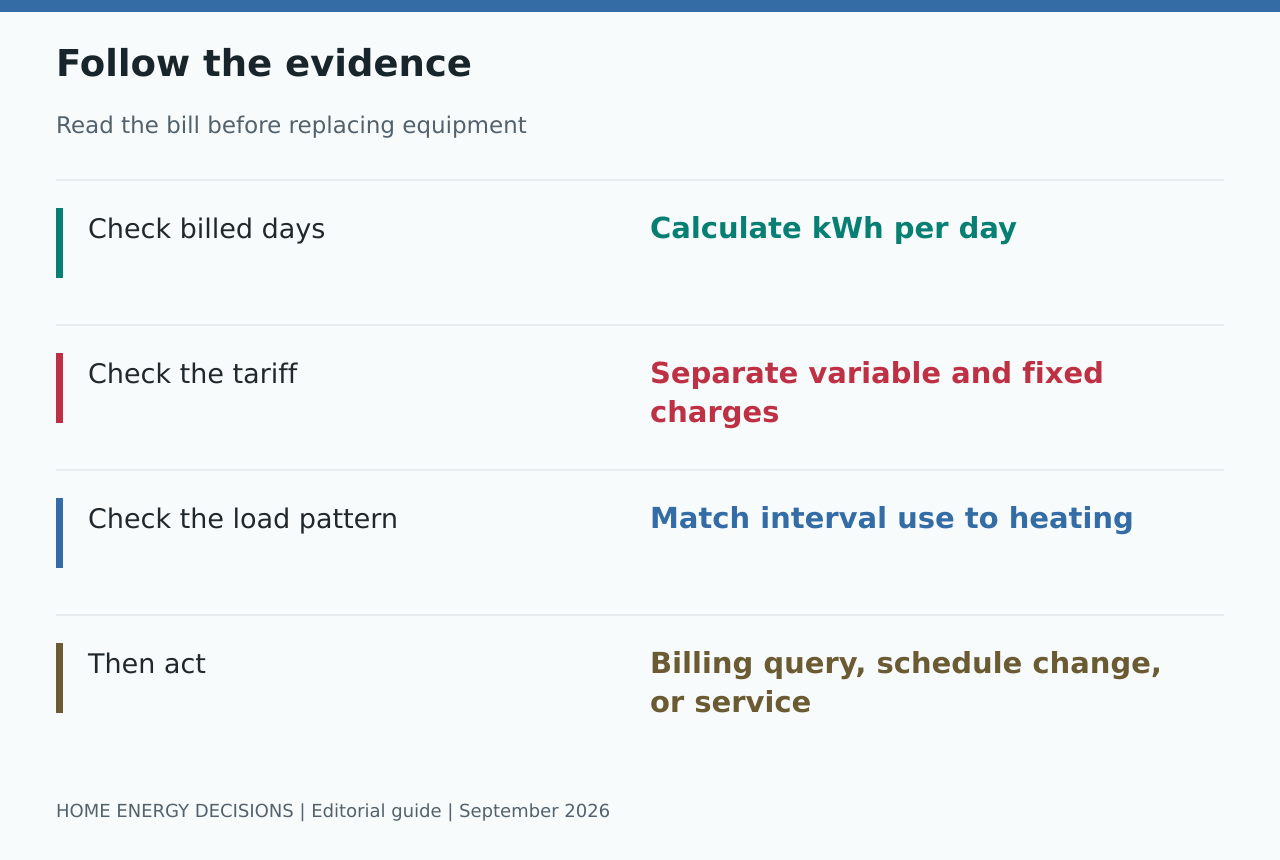
Start with the biggest confirmed contributor and a reversible change.
- Correct unintended heater or charging schedules.
- Replace or clean the HVAC filter as instructed; keep registers unblocked.
- Use thermostat settings appropriate to your actual heating system.
- Fix documented drafts and insulation gaps.
- Compare time-of-use rates before moving flexible loads.
- Schedule service if the observed behavior is abnormal.
Do not count an entire seasonal reduction as an upgrade's savings if the weather became milder. Compare similar conditions or use a weather-normalized evaluation.
Attic air sealing may help when leakage is a demonstrated problem. It is not a cure for every high bill. Likewise, small standby savings should not distract from several kilowatts of continuous heating.
When to call the utility or an HVAC technician
Call the utility when the read, billed days, tariff, or adjustments do not reconcile. Ask about payment plans or available assistance if the bill is difficult to pay; budget billing spreads payments but does not itself reduce consumption.
Call an HVAC technician when heating cannot hold temperature, backup operation changes unexpectedly, or there are abnormal noises, icing, or short cycling. A burning smell, electrical damage, gas odor, or CO alarm needs prompt safety action rather than a cost experiment.
Write a one-sentence conclusion before buying anything: "Daily use is unchanged but the tariff rose," or "The increase matches two portable heaters." Then use My Plan to choose a specific next step.
Build a worksheet for an unusually high winter electric bill
Put the current bill beside the previous bill and the bill for the comparable period last winter. Copy the billing dates, number of days, total kWh, variable charges, fixed charges, and any adjustments into separate rows. Keep the original statements so you can return to the details rather than relying on memory.
Start with kWh per day. In a hypothetical example, 1,200 kWh over 30 days equals 40 kWh per day. A later bill showing 1,360 kWh over 34 days also equals 40 kWh per day. The second bill contains more electricity, but this comparison does not show an increase in average daily consumption.
Next, compare the price components. If daily use is similar but the amount due rises, investigate the rate and billing adjustments before assuming an appliance has failed. If daily use rises too, continue with the household and heating checks above.
Create a separate list of changes during the period:
- More people at home or additional occupied rooms.
- A different thermostat schedule or heating setting.
- New portable heaters or longer use of existing ones.
- Guests, additional laundry, or changes to hot-water use.
- New appliances or equipment running on a timer.
- A billing correction, estimated reading, or unusually long period.
This is an investigation checklist, not a list of proven causes. Mark each item as confirmed, possible, or not applicable. That keeps a plausible explanation from becoming an unsupported conclusion.
Check whether winter electricity savings actually happened
After choosing a change, write down the date and what you changed. Avoid making several unrelated adjustments at once if your goal is to understand which action helped. A lower bill afterward is encouraging, but it does not isolate the effect if the weather became much milder at the same time.
Use daily or interval usage from your utility account when available. Note unusual days rather than deleting them from your comparison. A holiday gathering or several loads of laundry may explain a spike without indicating a heating fault.
Our preferred outcome is a short explanation you can defend: average daily usage changed, the variable rate changed, or the statement included a separate adjustment. Sometimes several factors apply. You do not need to identify every watt before taking action, but separating those categories prevents expensive guesses.
Keep the worksheet for the next billing period. If the problem persists, send the same record to the utility or service professional along with the specific question you want answered. Evidence makes that conversation substantially more productive than presenting only the final dollar amount.
What should a normal winter bill be?
There is no single useful dollar target without home size, climate, fuel mix, occupancy, tariff, and building condition. Your own normalized history is a better starting point than a neighbor's total.
The EIA's explanation of household energy use gives national context, but it cannot diagnose an individual bill. Keep estimates separate from measurements and compare the same service over the same period.
Try the companion tool
This post links to an interactive tool built for this topic. Open it to see numbers tailored to your home.
Open the toolGet practical energy tips
Join homeowners getting practical tips on cutting energy bills and staying comfortable.
Practical tips only. Unsubscribe anytime.
Read this next
Related guides selected by topic overlap and upgrade path.
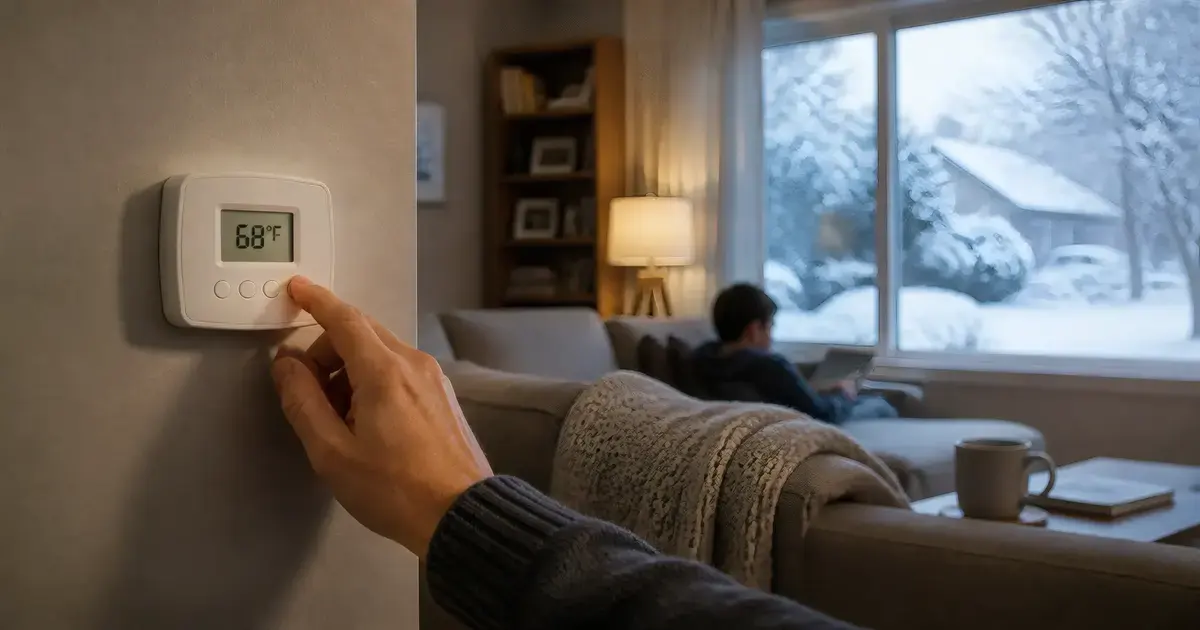
Start at 68°F while awake, use a careful winter setback, and adjust for heat pumps, humidity, sleep, pets, health, and time-of-use rates.
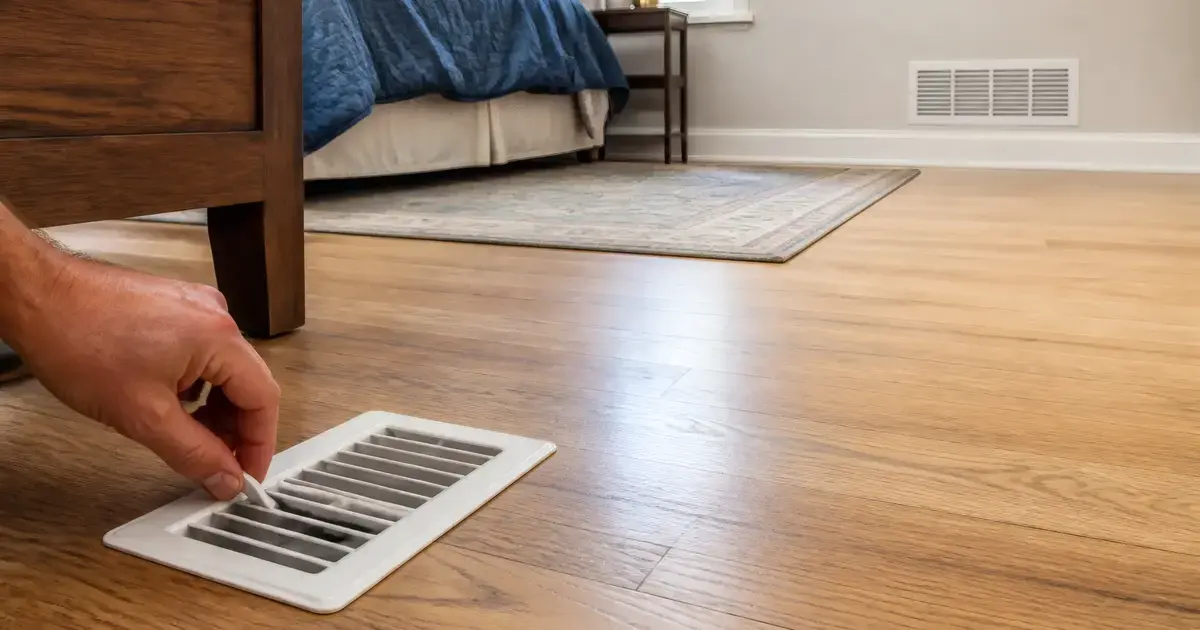
Is it OK to close air vents? Learn what one closed register changes, why several can raise duct pressure, and how to fix an uneven room safely.
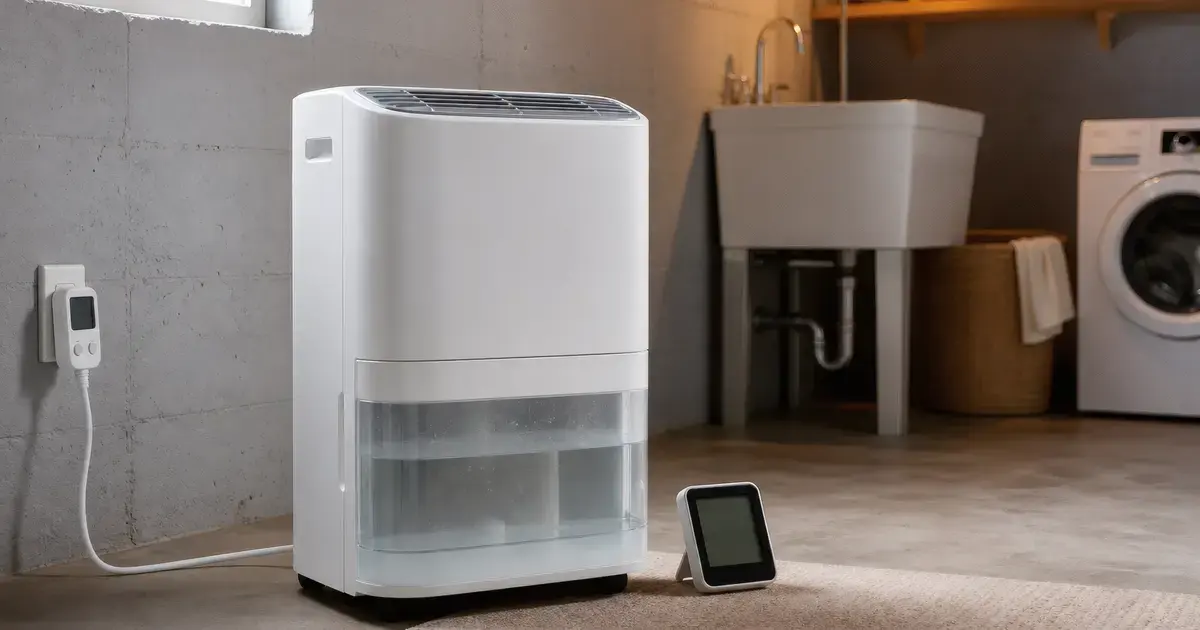
Compare portable and whole-home dehumidifier prices, installation, electricity use, and the moisture fixes that reduce lifetime cost.
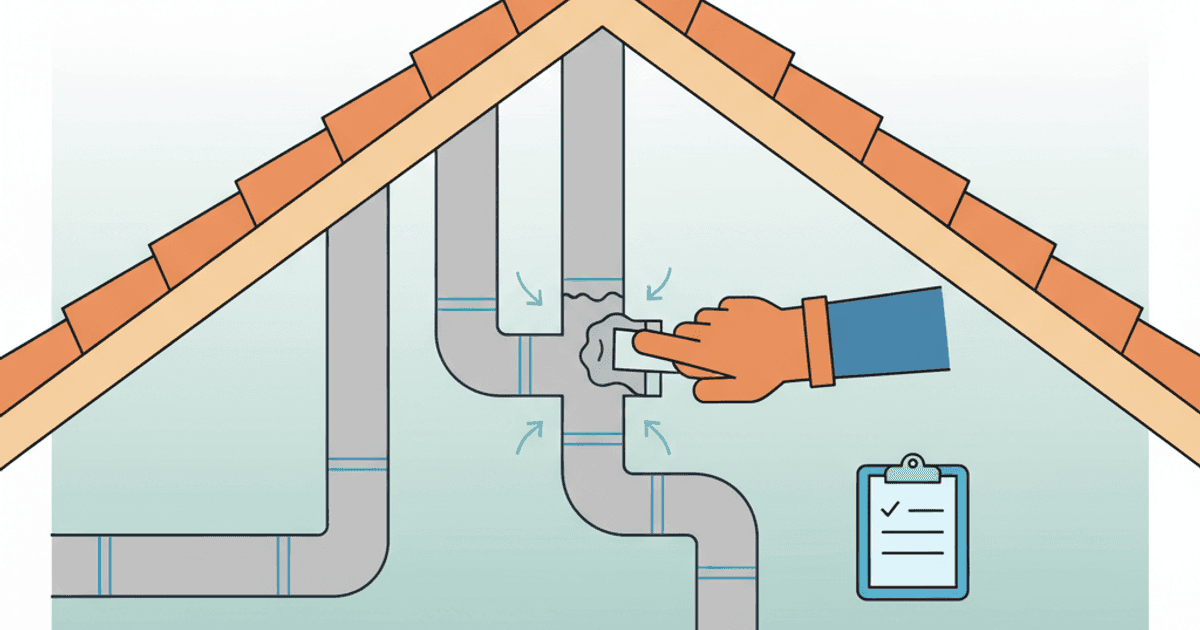
Learn what duct sealing fixes, what it costs, and the questions that separate real work from spray-and-pray.